
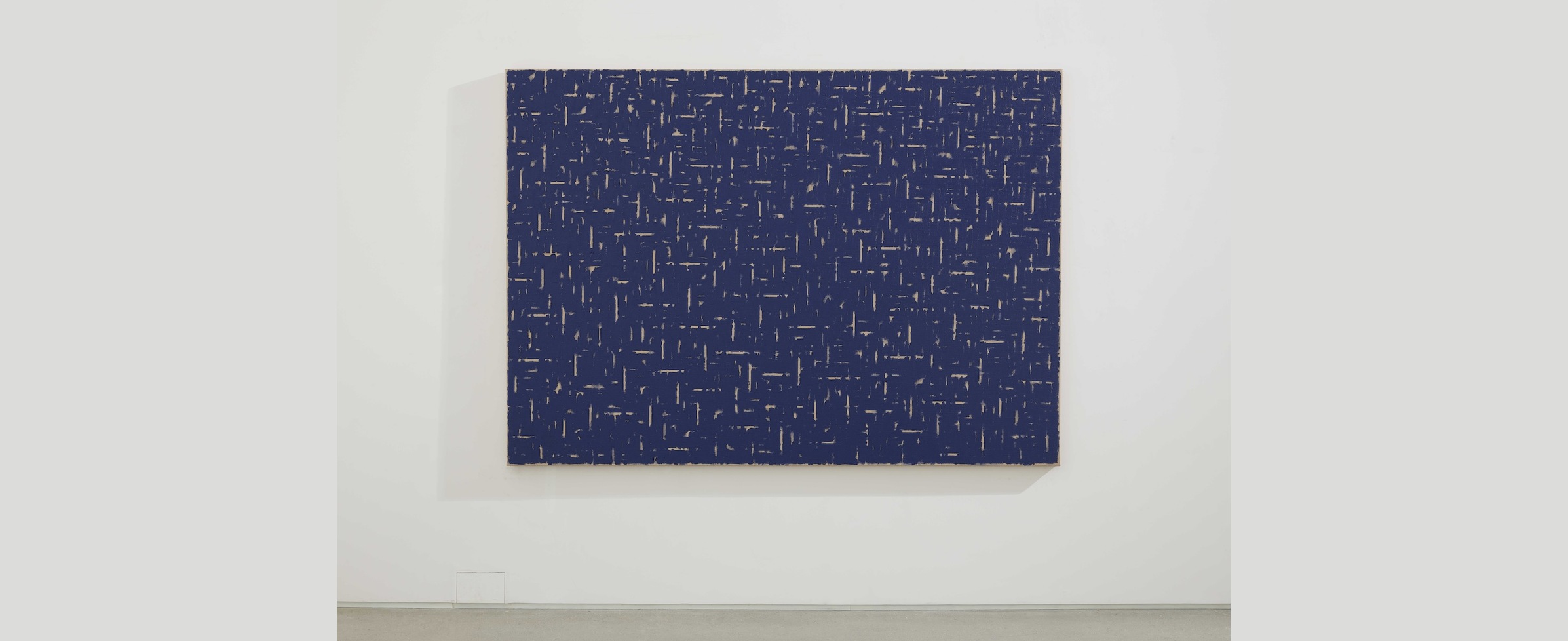
Born in 1941, Choi Myoung Young has spent more than half a century exploring one of the most fundamental questions in art: What is painting? As one of the leading figures of the Korean Dansaekhwa movement, he has consistently pursued this inquiry through his long-running Conditional Planes series. By investigating the relationship between support and material, body and action, Choi transforms the very condition of the two-dimensional plane into the subject of his work. Emerging from quiet, repetitive gestures, his paintings transcend trends and time, continuing to captivate museums, institutions, and collectors around the world.
At Tokyo Gendai, visitors will have a rare opportunity to experience these works firsthand, appreciating their scale, material presence, and quiet intensity. In this interview, Choi reflects on the enduring questions that have guided his practice for decades, the philosophy that continues to shape his work, and his thoughts on the future of painting and artistic expression.
Could you tell us about your artistic practice and your renowned series Conditional Planes for Japanese readers who may be encountering your work for the first time?
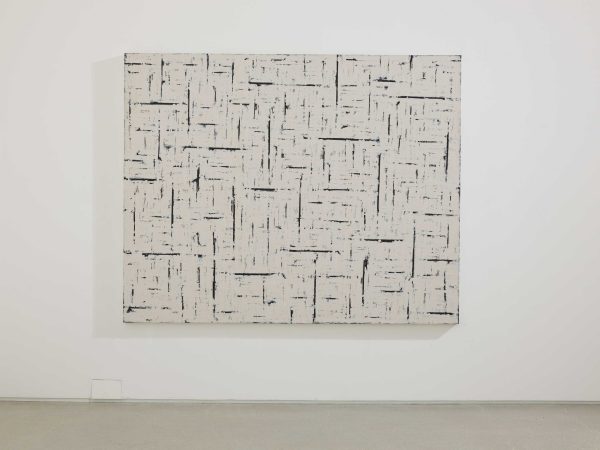
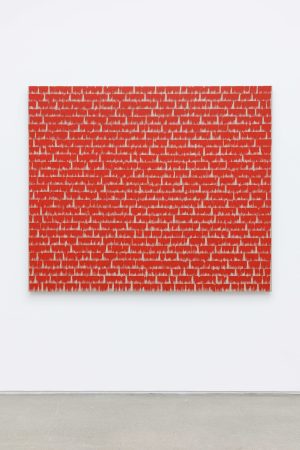
Having worked since the 1970s as part of the Korean Dansaekhwa movement, I have pursued my core artistic task of realizing pictorial reality within the two-dimensional plane through my Conditional Planes series. This work embodies the accumulation of time and the artistic spirit of the process, which are the defining characteristics of Dansaekhwa painting. Within this series, I seek to arrive at a world of unpredictability through a performative process of matter and spirit. This is achieved by engaging and governing the essential elements of the work, including flatness, the absence of a center, repetition, the accumulation of material, and monochrome.
Looking at your works, one can sense the accumulation of time and the precision of repetitive processes. What moments tend to inspire you the most in your creative practice?
My work is not born of extraordinary moments, nor do I wait for special inspiration. Instead, my creative practice unfolds as a process of everyday equanimity. Inspiration, for me, is found in the repeated cycle of losing my way within the condition of the plane and finding that way again. Even I cannot know what lies at its end. Yet, I paint with a steady, ordinary mind. Breath is vital, and this breath chooses change. Does not a good choice give rise to a good result? I simply continue to affirm my own existence by confronting the condition of the plane.
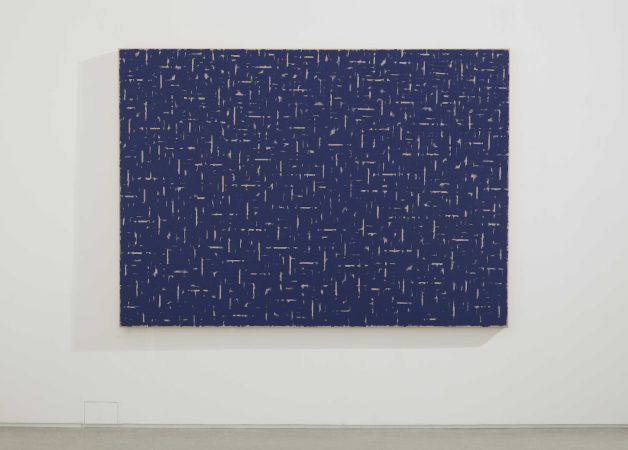
In the Conditional Planes series, you approach the canvas not simply as a “surface” or “background,” but as a “conditional entity” where materials and actions intersect. Within the ultimate constraint of the “plane,” how do you discover possibilities for artistic freedom and expression?
The conditional relationship between the support (canvas) and the material, which underlies the establishing grounds of two-dimensional painting, serves as the guiding ideology of Conditional Planes. In the course of creation, this relationship is mediated by the body through repetitive acts. Within the ultimate constraint of the plane, these continuous choices and repetitions become a vehicle for artistic freedom. This process allows the work to ceaselessly penetrate and expand into the space both within and beyond the canvas. Through this movement, I expect to embody an ever-evolving reality by achieving a coherence between matter and spirit.
Born in 1941, you have witnessed and contributed to the evolution of Korean contemporary art over many decades. Looking back on your journey, is there a particular aesthetic principle or guiding philosophy that you would like to share with contemporary artists today?
If we look into Korean contemporary art in this globalized and information era, we can find it still differs from Western art-historical methodologies and trends, as seen in the case of Dansaekhwa. For contemporary artists today, especially those living in the modern world while remaining rooted in local history and cultural tradition, I believe there is a vital need to share the spirit of beopgochangsin (法古創新, “creating the new by learning from the old”). This philosophy transposes traditional spirituality into a contemporary performative language. It can be an aesthetic attitude that continually affirms one’s individual identity to translate personal narratives into a universal global language, a creative fusion of tradition and modernity, deep reflection on matter and existence, an aesthetics of generation and change, and a profound philosophy of relation.
Tokyo Gendai is an international art fair where diverse forms of light, perspectives, and people come together. What are your hopes or expectations for the audiences from Japan and around the world, as well as for the Japanese art scene?
Tokyo Gendai as an international art fair carries the significance of Japan’s contemporary art scene, which has long been a leader in East Asian contemporary art, now positioning itself at the forefront of the global stage. I highly expect that the fair will make a significant contribution to the world art scene by surveying the international art field, discovering and cultivating artistic talent, and fostering exchange and preservation. As an artist who has actively participated in the exchange between Japan’s Mono-ha and Korea’s Dansaekhwa at the very site of the contemporary art movement since the 1970s, I look forward to the possibility that a distinctive global exhibition space like Tokyo Gendai will become a place where the history of yesterday can proudly meet again and celebrate anew altogether.
Thank you very much! We look forward to seeing your work in September.
Choi Myoung Young: The Essence of Painting.
Dates:
11-13 September 2026 (Fri-Sun) *Vernissage: 10 September (Thu)
Venue:
Pacifico Yokohama
Booth:
The Page Gallery
Ticket Purchase:
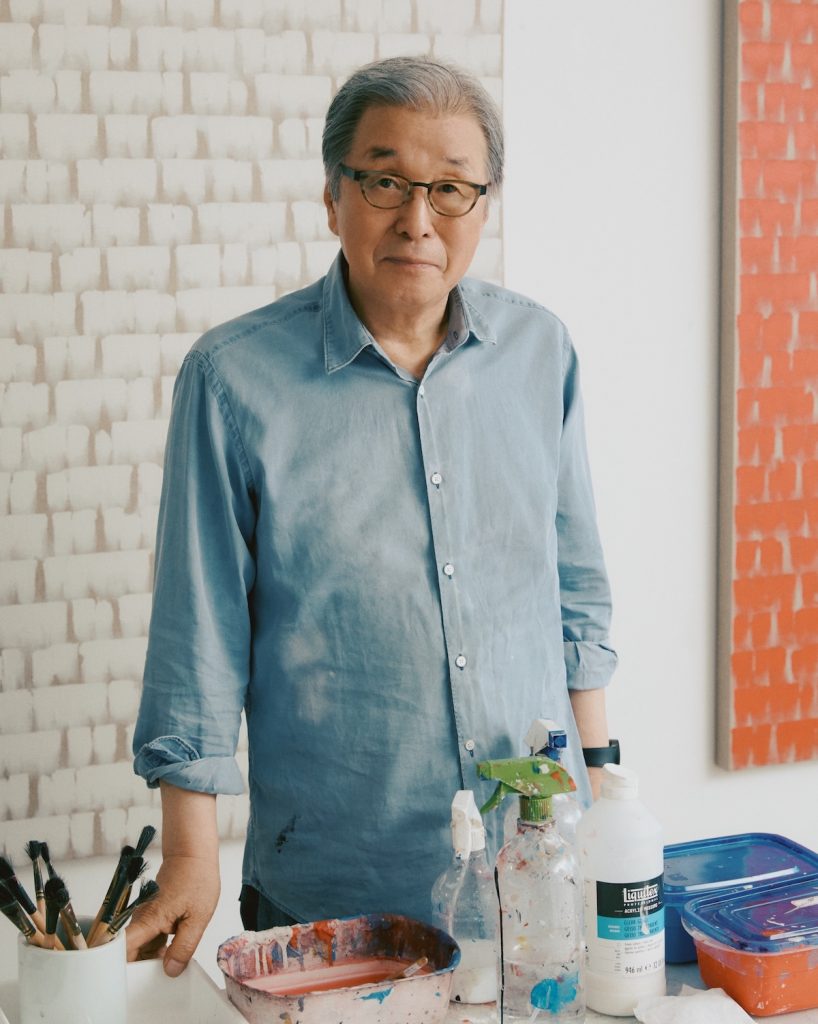
Choi Myoung Young (b. 1941) is an iconic figure in Korean Dansaekhwa, continuously exploring the relationship between the canvas surface and the painting medium through the lens of East Asian literati traditions.
Focusing on the fundamental essence of two-dimensional art, his representative series, Conditional Planes, serves as a cumulative journey questioning the flat plane. Through repetitive, performative actions using brushes, rollers, awls, and fingerprints, Choi investigates the interaction between the artist and the surface. In this dynamic process, simple forms repeatedly emerge and disappear, creating an endless cycle of expansion and reduction. His restrained approach, marked by primary colors and subtle geometric lines, deeply captures the spiritual depth of Dansaekhwa.
Internationally acclaimed, Choi’s masterworks are held in prestigious collections including the MMCA, the Tokyo Metropolitan Art Museum, and the Leeum Museum, while recent exhibitions at the Guggenheim and Hammer Museum reflect his enduring global legacy.