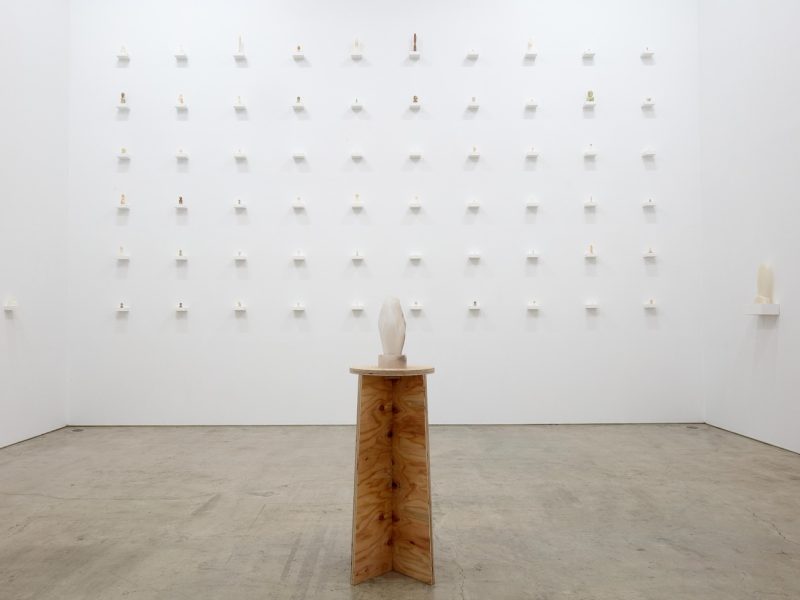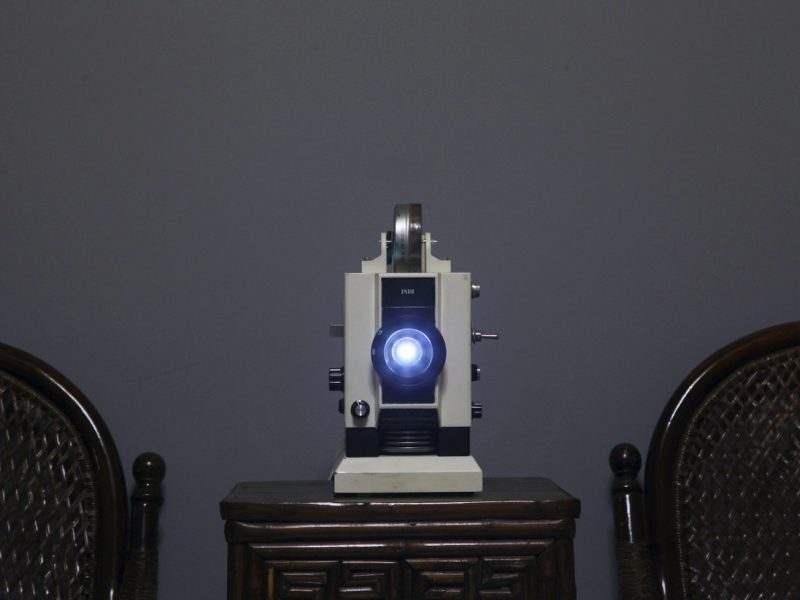

Japanese contemporary art encompasses a distinctive range of expressions that transcend established genres, shaped by the materials, techniques, and aesthetic sensibilities cultivated throughout the country’s long artistic history.
One gallery that has brought this distinctive appeal to the world through major art fairs in Japan and abroad is A Lighthouse called Kanata. Since its founding in 2007, the gallery has built lasting relationships with museums and collectors around the world. In 2025, it further expanded its activities with the opening of a new space in Omotesando, Tokyo.
At this year’s Tokyo Gendai, A Lighthouse called Kanata presents a selection of Japanese artists whose work deserves to be discovered by collectors and art professionals from around the world. What defines the distinctiveness of Japanese aesthetics, and what contemporary expressions emerge from it? We explore these questions through the gallery’s ongoing activities and its vision for the future of Japanese contemporary art.
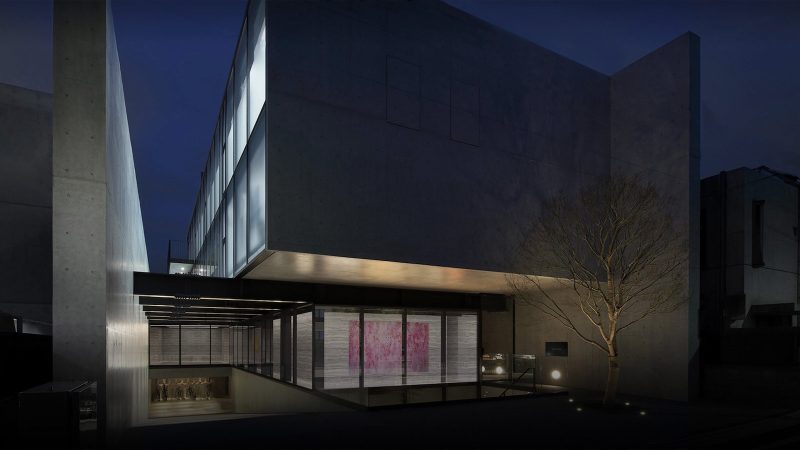
A Lighthouse called Kanata has established a distinctive presence by presenting Japanese contemporary art at major art fairs both in Japan and internationally. For those visiting your booth for the first time, could you tell us about the gallery’s beginnings and the values that have guided its activities?
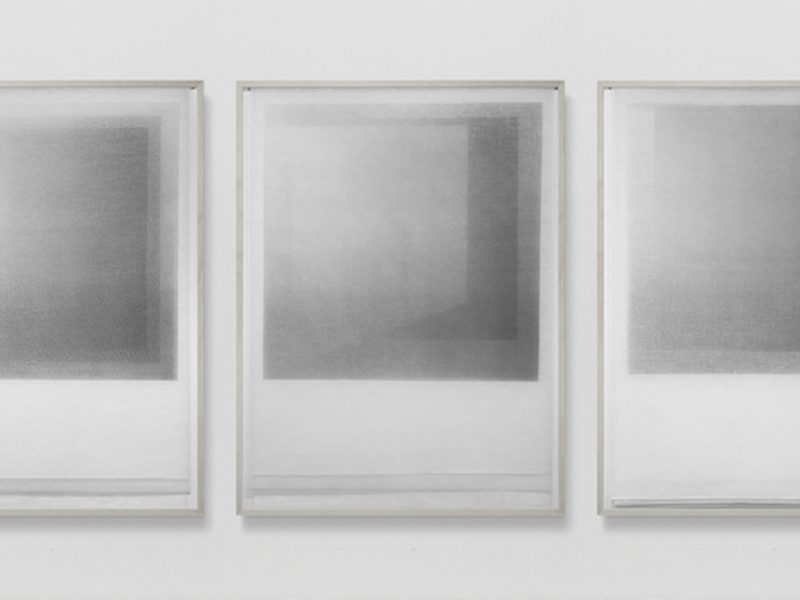
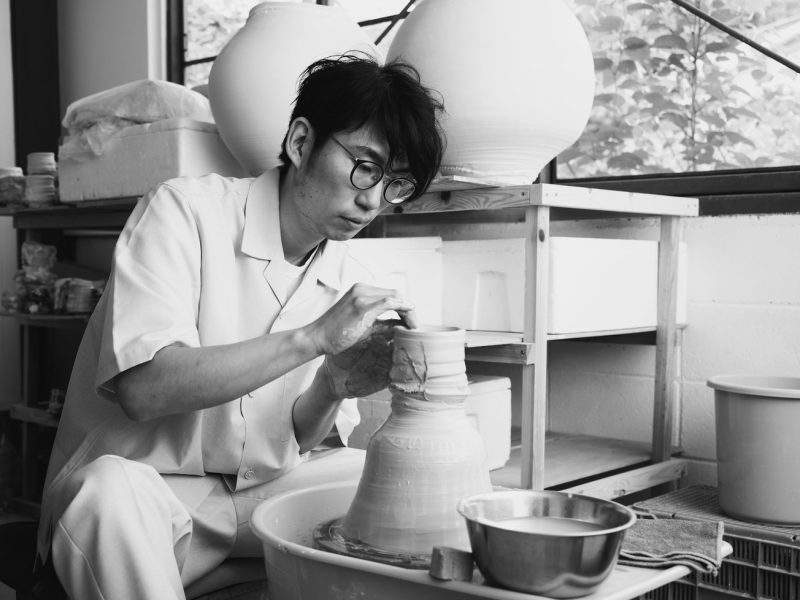
Kanata is a gallery that introduces artists to the world who value the inherent power of materials and employ techniques that are truly their own to create beauty that can immediately move people.
I started the business on my own after leaving my corporate career. At the time, I had neither a gallery space nor artists, staff, or clients. Over time, however, many artists and staff members came together around the gallery, and last year we moved to Omotesando. Today, we have the opportunity to work with museums and collectors from all over the world.
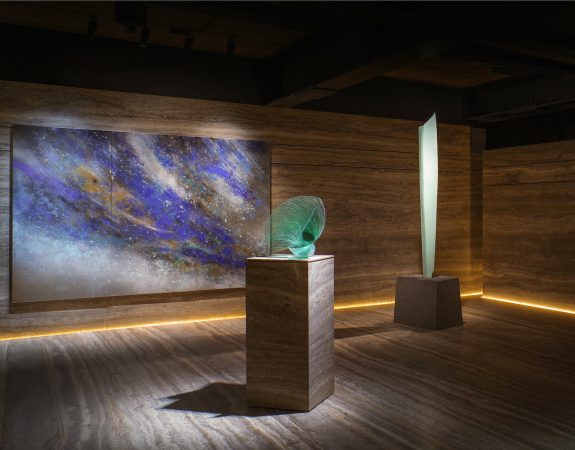
Your gallery has consistently introduced to the world a distinctly Japanese approach to materials, techniques, and aesthetics—one that differs from the predominantly Western context in which contemporary art has developed. Having exhibited for many years at some of the world’s leading art fairs, including TEFAF, how do you feel the international art market’s interest in and reception of contemporary art rooted in craft-based approaches has changed in recent years?
It is certainly the result of steadily presenting and promoting this kind of art to the world over many years, but I feel that the momentum is finally building.
I believe that galleries like Kanata are attracting increasing attention precisely because we participate in fairs such as TEFAF, Art Basel, and Frieze while presenting an artistic narrative that is not an imitation of the West, but one that emerges from a context distinct from Western art history.
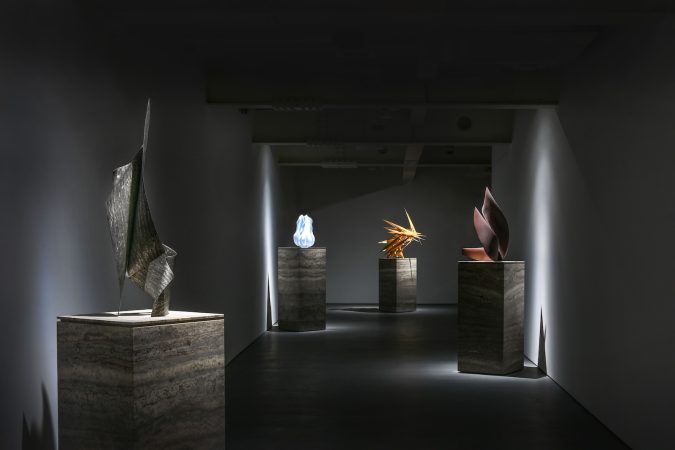
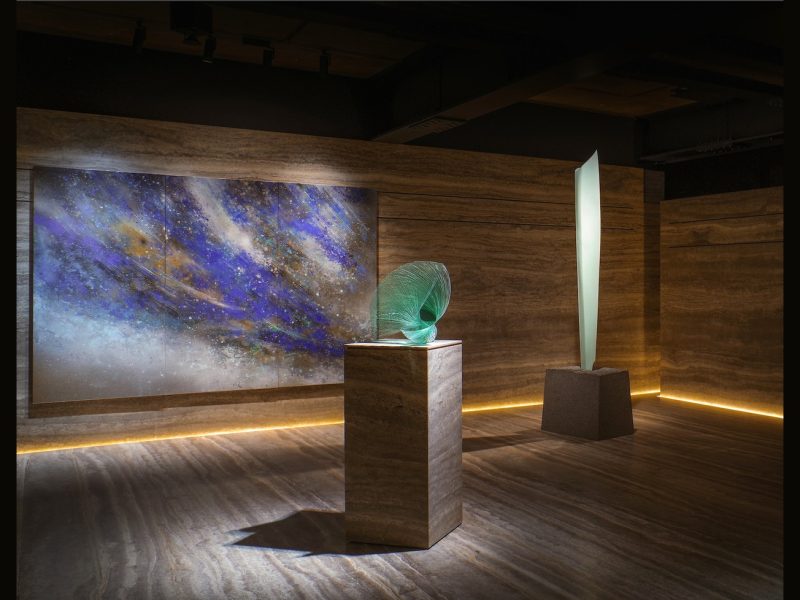
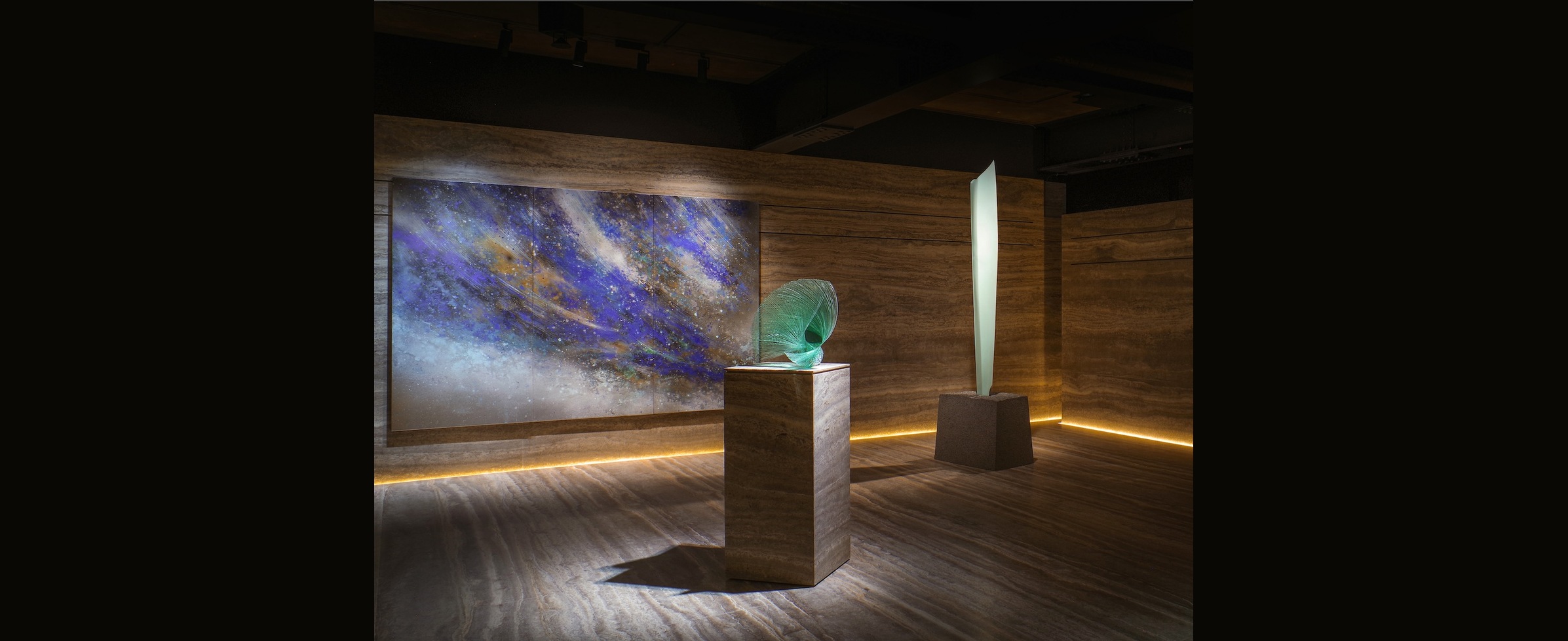
Many of your artists work closely with primitive, earth-derived materials such as clay, metal, and glass. You also opened a new gallery space in Omotesando in 2025. When translating the energy inherent in these materials into an exhibition space or an art-fair booth, what do you consider most important as a director?
A truly outstanding work remains a great work in any space.
That said, the space, the placement of the works, and the lighting can all help reveal them in an even more compelling way. Above all, I always try to create exhibitions that genuinely move me.
Among the works and artists presented at Tokyo Gendai 2026, are there any in particular that you would encourage visitors to experience in person, and what should they look out for?
I would especially encourage visitors to discover Kanata’s younger artists, many of whom have been showing remarkable growth in recent years.
Tokyo Gendai brings together collectors and art enthusiasts from Japan and around the world. What kind of experience or discovery would you like visitors to take away from the fair?
I hope they will come away with a sense that Japanese contemporary art occupies a unique place within the world of art.
Thank you very much! We look forward to seeing your work in September.
Discover the Distinctive Beauty of Contemporary Japanese Art.
Dates:
11-13 September 2026 (Fri-Sun) *Vernissage: 10 September (Thu)
Venue:
Pacifico Yokohama
Booth:
A Lighthouse called Kanata
Ticket Purchase:
A Lighthouse called Kanata
A Lighthouse called Kanata pursues the reevaluation of contemporary Japanese art in the 21st century, thereby expanding the boundaries of contemporary art from a diversified, multi-cultural perspective. Through the innovation of aesthetic traditions, Kanata focuses on abstract paintings and sculptures by both Japanese and international artists, reimagining beauty through an emphasis on materiality and technical excellence.
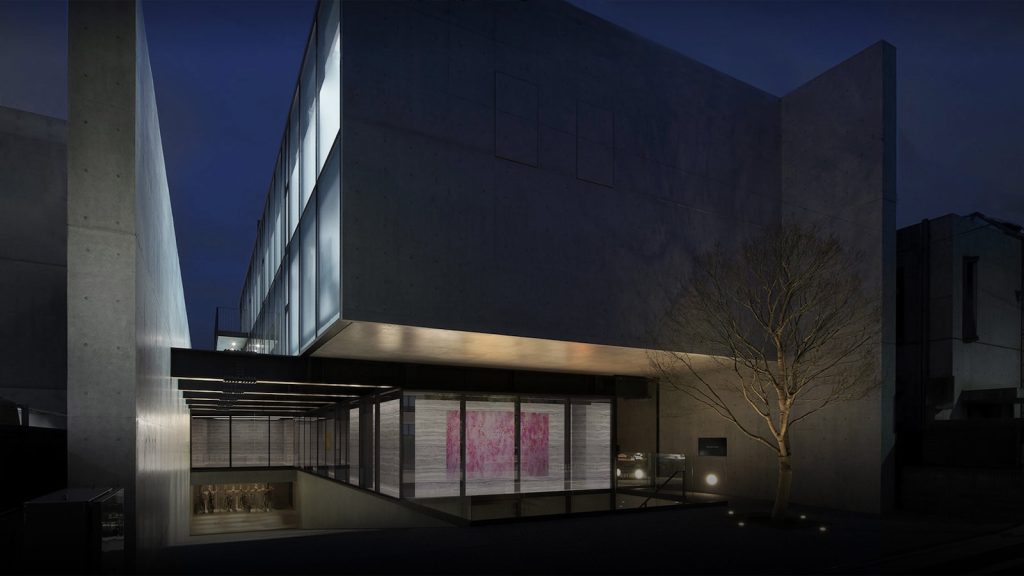
The Tokyo gallery hosts multiple solo and group exhibitions as well as participating at major fairs throughout the world including Art Basel HK, Frieze Seoul and others, while further enriching its program with publications that capture both emerging and established artists. Kanata also partners with leading international institutions such as the Metropolitan Museum (NY), the V&A (London), and the Rockbund and Long Museums (Shanghai), among others, creating critical platforms for the recognition of the gallery’s aesthetic. Kanata currently resides in our own 4-story building in Omotesando, Tokyo.