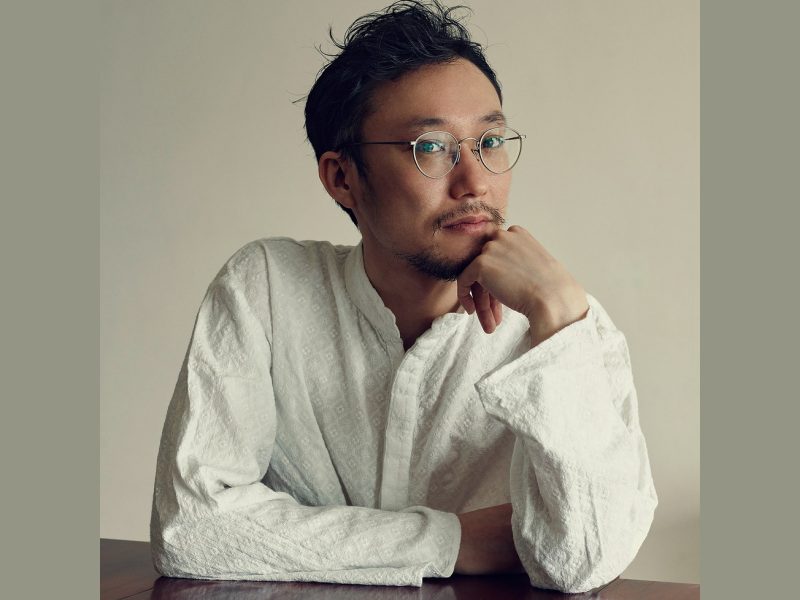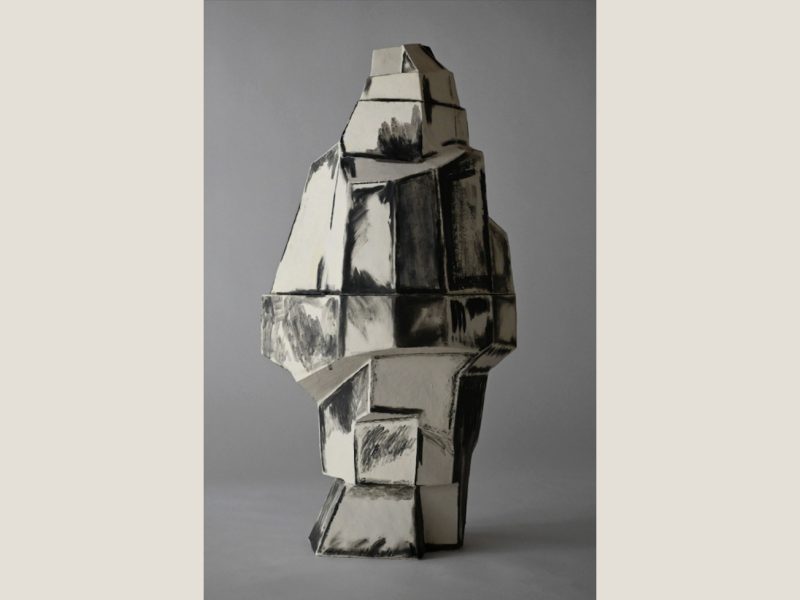

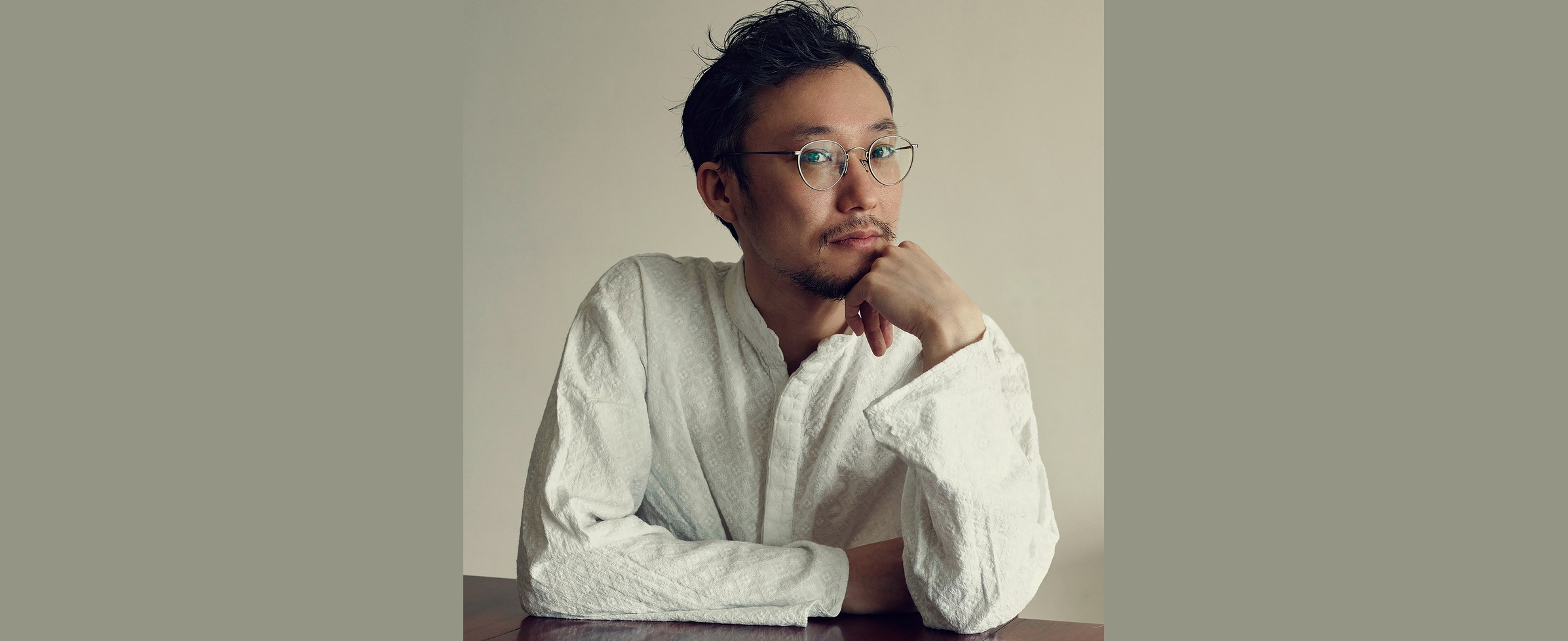
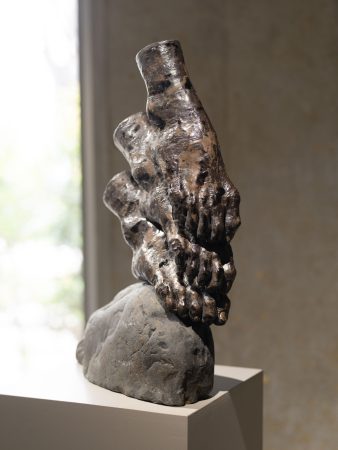
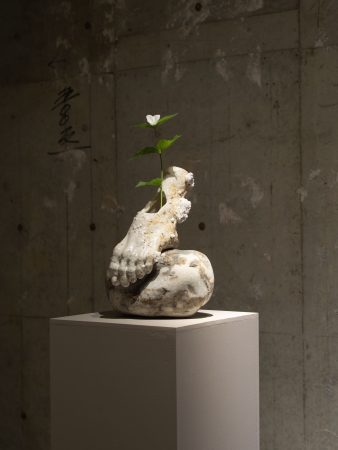
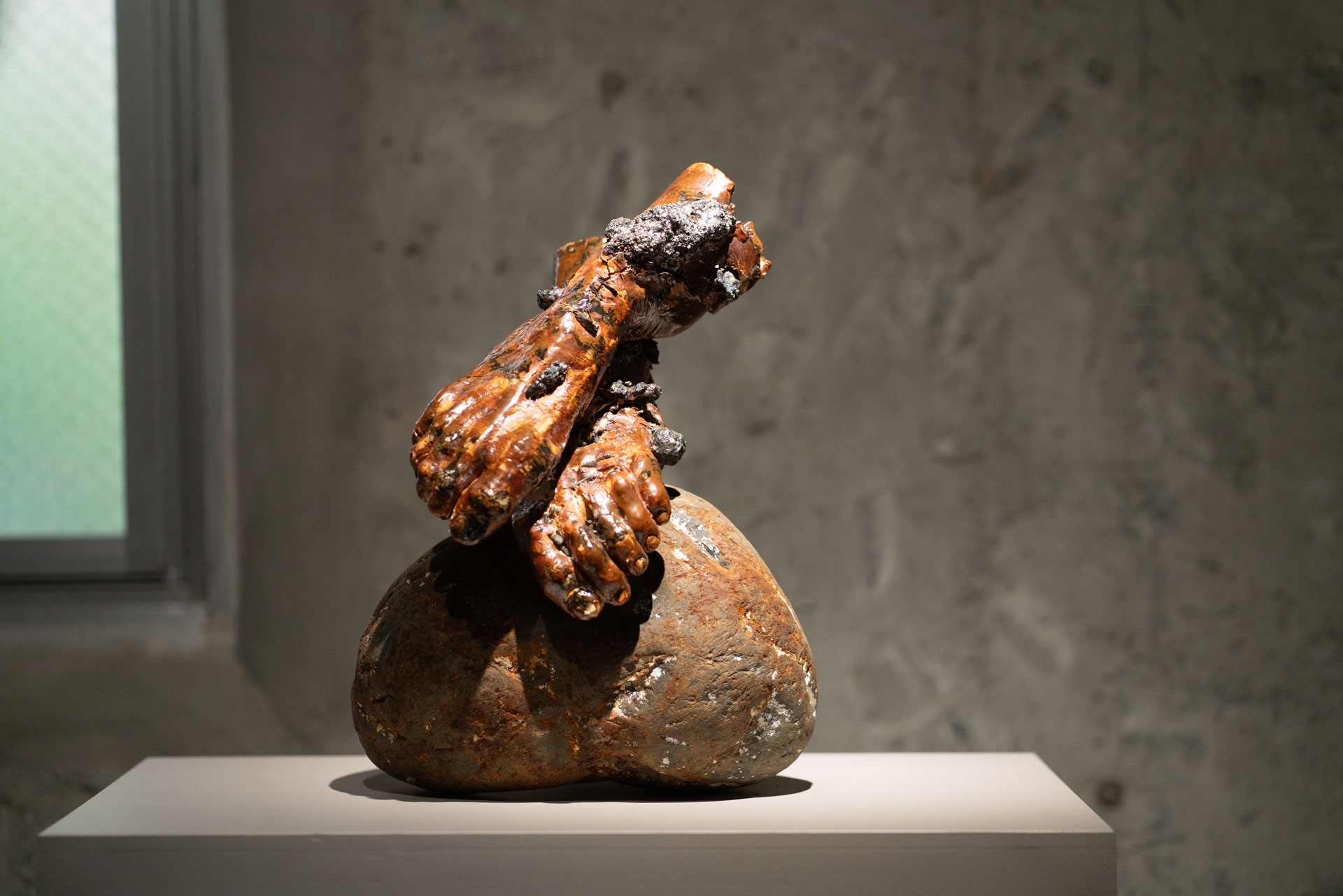
Having established a distinctive international career as a shoe designer, Masaya Kushino has in recent years gained widespread recognition for his sculptural practice, expanding his artistic vision into a new medium. Combining ceramics, iron, and natural stone, his works unite refined craftsmanship with a powerful physical presence, quietly engaging the viewer’s senses and perception of the body.
At Tokyo Gendai, visitors will have a rare opportunity to experience firsthand the textures, scale, and spatial presence of Kushino’s sculptures—qualities that cannot be fully conveyed through photographs or screens. It is through this direct, embodied encounter that the true depth of his work reveals itself.
In this interview, Kushino reflects on his creative journey across disciplines and shares the ideas that continue to shape his artistic practice today.
You first gained international recognition as a shoe designer, and in recent years have developed an impressive sculptural practice. For those encountering your work for the first time, could you tell us about the core ideas behind your practice and what has remained consistent throughout your creative journey, even as your medium has evolved?
In the past, I drew inspiration from nature and animals. I explored ornamental beauty while treating shoes as sculpture. Today, I create sculptures centred on the foot. I travel to various places in Japan and abroad, visiting them in person and learning about their histories. Through this process, I seek to give form to ideas concerning the historical journey of humanity, our coexistence with nature, and the relationship between gravity and our understanding of life and death. One of the differences between humans and apes is said to be our habitual ability to walk upright on two legs. For millions of years, humanity has walked, lived, migrated across continents, and evolved. In that sense, I regard the foot as an exceptionally important motif through which to express what it means to be human.
The stones from the place where you spent your childhood serve as the bases of your sculptures, which is particularly striking. By combining natural stone with ceramic and iron forms, what kinds of memories or sense of time are you hoping to preserve within the work?
When I began considering the journey of humanity as a theme, I first looked back on my own past. I wanted to recognise that I, too, am part of history, and to understand the subject not as something distant, but as something that concerns me personally.
I was born on Innoshima, an island in Hiroshima Prefecture. The coastal cliffs and stones that I had barely noticed as a child took on an entirely different significance when I looked at them again. I came to realise that each of them carries a fascinating history of its own.
I do not regard the stones in my work as pedestals. They are integral parts of the works themselves. Stone is a symbol of nature, and human beings, too, are part of nature. By placing a foot upon stone, I want to suggest that we live within the greater power of nature and exist alongside it. The iron I use comes from objects that have fallen into the sea or been discarded there. Over the many years they spend on the seabed, these objects gradually dissolve into the seawater, moving from being man-made objects towards becoming part of the natural world. In this process of returning to nature, the iron exists in an intermediate material state between the artificial and the natural. Incorporating such iron into my work is also a way of setting time in motion once again after it has come to a standstill. It is one means of sharing memory.
When I visit islands and rural areas, I am overwhelmed by the immense energy of nature and by the vast scale of the time accumulated there. I am deeply moved, while also experiencing a profound sense of awe. When I confront nature directly, I am reminded of how small and vulnerable I am. In recent years, humanity has developed its economies by controlling and consuming nature. Yet the pace has become far too fast, and many people no longer fear further acceleration. I hope my work may encourage those affected by what might be called “accelerationism” to slow their pace and reconsider their relationship with nature.
We understand that ballet dancers’ feet are an important reference for your work. Through the idea of “physical resonance”—the body’s ability to reach its limits—what kinds of sensations or emotions do you hope viewers experience when encountering your sculptures?
Gravity allows us to live without leaving the ground beneath us. In a sense, we are protected by gravity. At the same time, however, we are able to walk only because we resist that very force. For me, this contradiction is directly connected to the question of what it means to be alive.
Ballet dancers embody this contradiction. As they resist gravity, they push their bodies to their limits, expressing beauty and precariousness, as well as the inseparable relationship between life and death. Their feet are therefore an indispensable source of inspiration for me, while also conveying a particular message. I hope viewers will sense an attitude of living with strength and beauty even while confronting life’s problems and hardships.
Whether in shoe design or sculpture, your work consistently evokes a world that feels both otherworldly and deeply connected to natural phenomena. During your creative process, what kinds of moments most often spark your inspiration?
When I encounter natural events and phenomena that transcend my own imagination, I feel as though every single cell in my body is awakening memories of the past. That sensation expands my imagination and draws me towards making art.
I am also affected by events and news that bring death to mind. When I visit ancient burial mounds and archaeological sites, I learn from the accumulated wisdom of humanity over the course of its long history, and this gives rise to a powerful creative impulse. In that sense, my inspiration may arise from experiencing an extreme state of mind myself, or from vicariously experiencing the states of mind of others.
At Tokyo Gendai, your presentation with Nomadic Gallery explores themes of “physicality” and “the resonance of memory.” What message or hope would you like to share with visitors to the fair and with the Japanese art scene?
I feel that contemporary society is driven by acceleration. We place far too much value on efficiency and short-term economic results. At the same time, as technologies such as AI continue to advance, the meaning of having a body—and even the importance of being human—may be fading from view. Of course, I am not rejecting human curiosity or our desire to evolve. Under the present circumstances, however, it is not easy to imagine a bright future. I believe that artists have the power to pose questions to this kind of society through their work. Art asks us to imagine what cannot be seen. It can remind us of the importance of working together and of paying close attention to our relationship with nature. Perhaps this can help us restore a balance between body and mind. Rather than simply exploiting nature, I sincerely hope that we can choose to live alongside it, and that this choice will give us the strength to take another step towards the future.
Thank you very much! We look forward to seeing your work in September.
The Memory of Our Steps — Encounter the Sculptures of Masaya Kushino.
Dates:
11-13 September 2026 (Fri-Sun) *Vernissage: 10 September (Thu)
Venue:
Pacifico Yokohama
Booth:
Nomadic Gallery
Ticket Purchase:
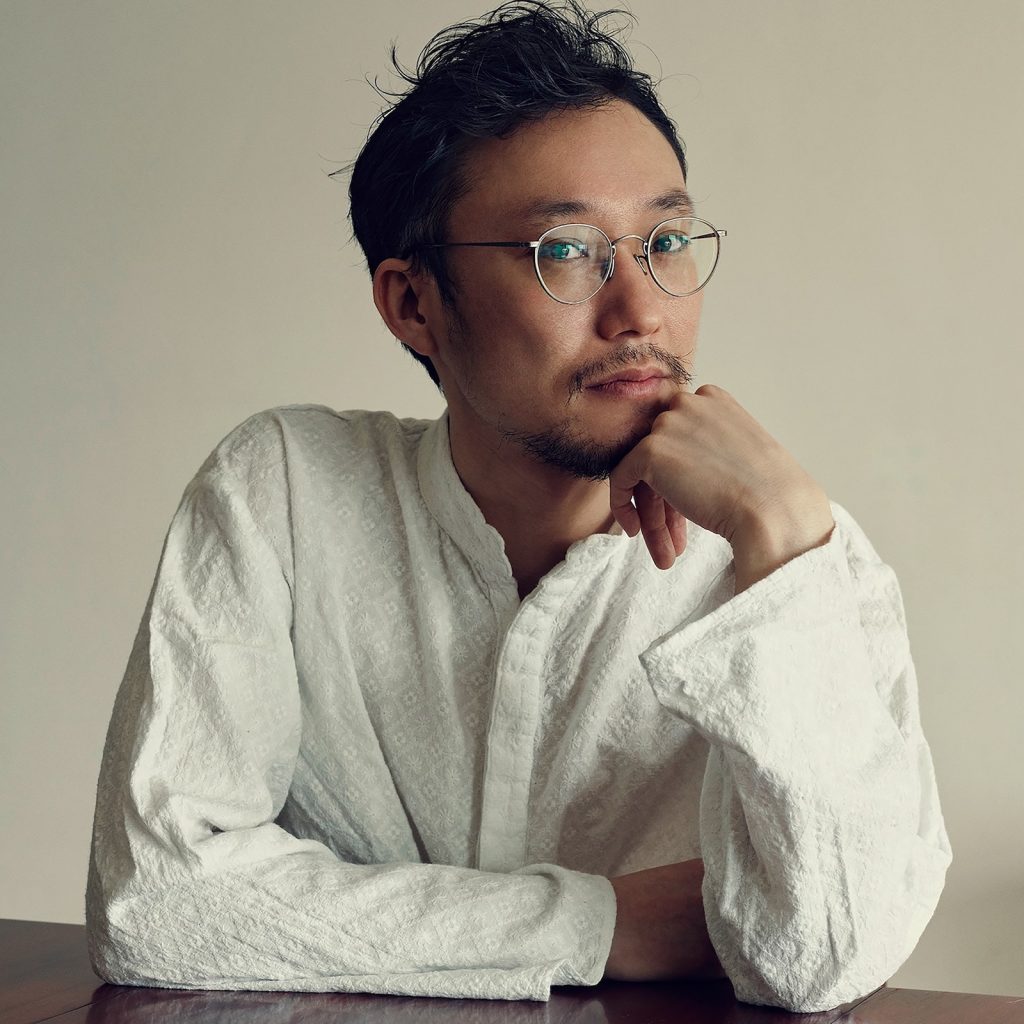
Masaya Kushino
Masaya Kushino was born in Hiroshima Prefecture in 1982. After completing a master’s programme at Istituto Marangoni in Milan, he returned to Japan. Based in Kyoto, he designs shoes inspired by the traditions of Japanese craftsmanship.
In recent years, he has created sculptures using feet and shoes as motifs, addressing questions of life and death and the ways in which humanity understands history.
In 2016, he received the Kyoto Prefecture Cultural Award for Encouragement. His work is held in the collections of the Victoria and Albert Museum, London, and the Museum at the Fashion Institute of Technology, New York.