
“Why does the same image look so different from one impression to another?”
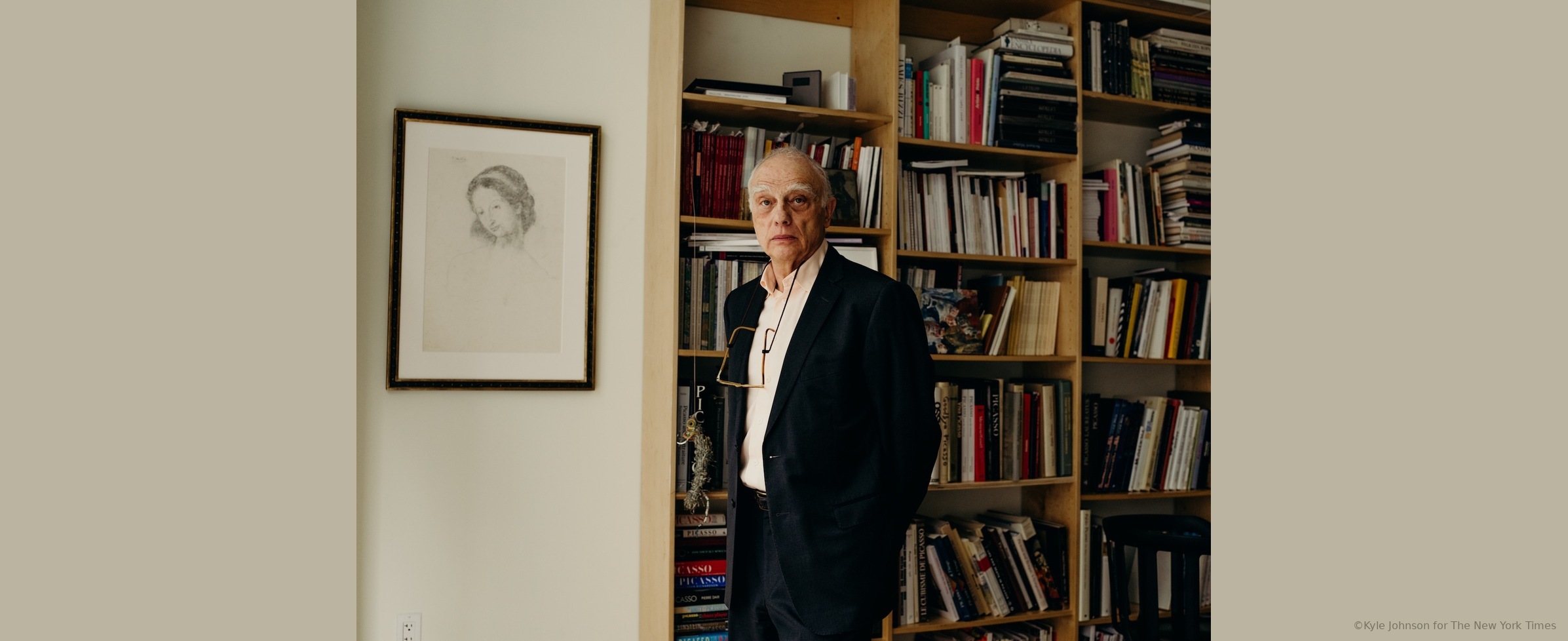
That is the kind of discovery that awaits visitors at the booth of John Szoke Gallery.
Since its founding in 1974, the gallery has specialized in works on paper, with a special focus on prints by Pablo Picasso and Edvard Munch. Over the decades, it has carefully explored not only the individuality of each work, but also the artistic process and history behind each impression.
At Tokyo Gendai, the gallery will present a selection of works chosen through decades of specialized expertise, including Picasso’s Suite Vollard and rare early pulls. The texture of the paper, the depth of the ink, the delicacy of the lines—by looking closely at these subtle differences that can be difficult to perceive in photographs or on a screen, new dimensions of the works begin to emerge.
The more you look, the more fascinating the world created by paper and ink becomes. For this interview, we spoke with John Szoke himself about the depth and richness of printmaking—insights that can only come from decades of looking closely at and living with these works. We invite you to discover the depth of each impression for yourself and take the time to experience the works in person at Tokyo Gendai.
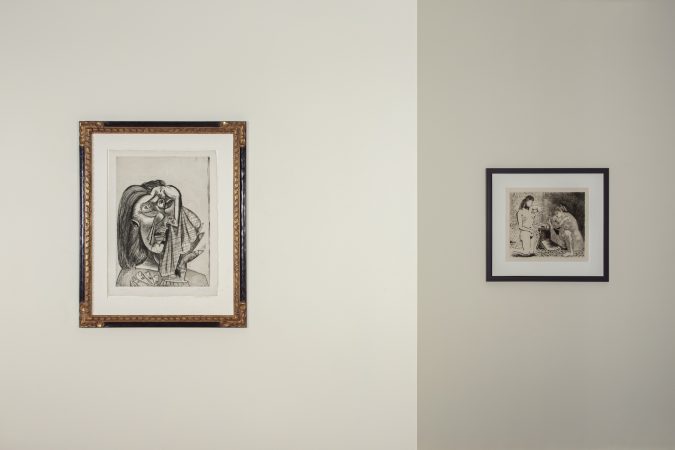
Could you tell us about the gallery’s history and why you specialize in works on paper?
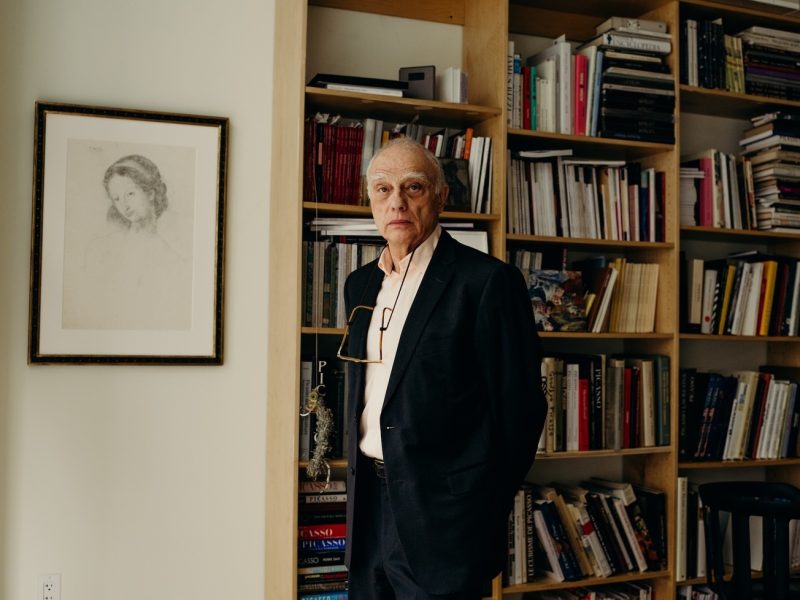
John Szoke Gallery is a New York-based gallery specializing in works on paper by Pablo Picasso and Edvard Munch. For decades, the gallery has focused on building deep expertise in the prints, drawings, and graphic works of these two artists.
Works on paper offer an especially intimate way to understand an artist’s creative process. In a drawing, one can often see the immediacy of the artist’s hand, while a print reveals how an image developed through different states, techniques, inks, and papers. These details allow us to look beyond the final composition and understand how an artist experimented, revised, and made decisions.
We are drawn to works that have exceptional quality, condition, rarity, and provenance. Our role is not simply to present famous images, but to help collectors and visitors recognize why one impression may be significantly more important than another. We hope our presentation at Tokyo Gendai will give visitors an opportunity to experience this specialist perspective in person.
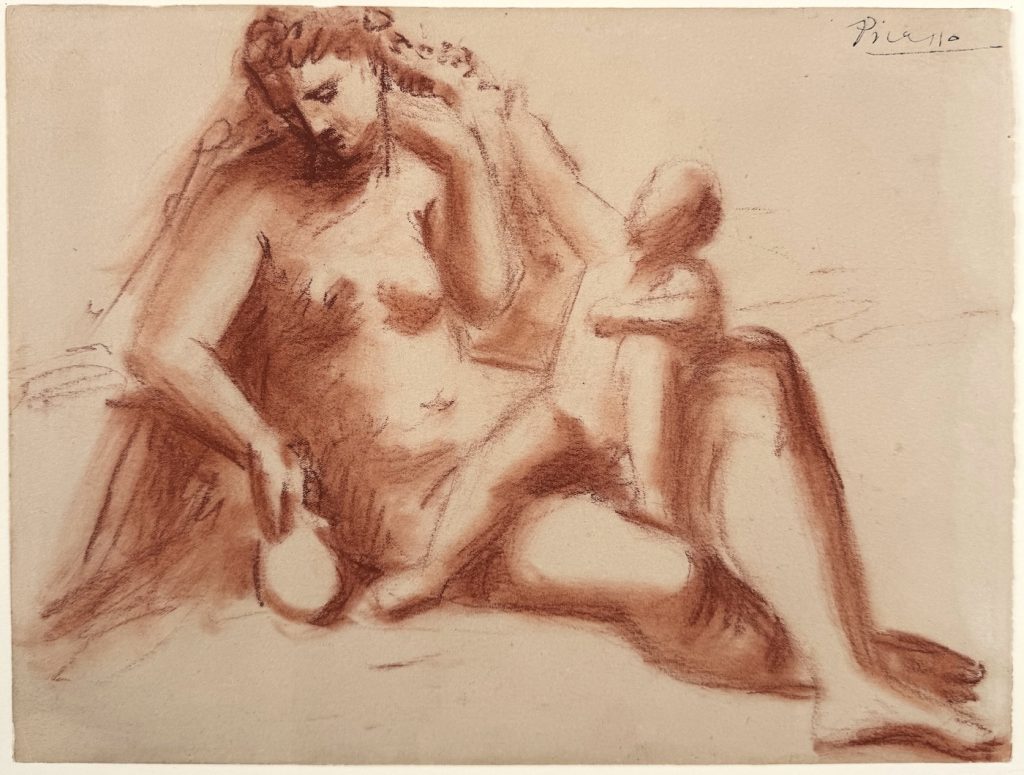
![PABLO PICASSO
[Drawing] Homme au Parapluie assis à une Table à l’Intérieur d’un Café
1914 (Paris)
Conte crayon on paper
Sheet: 9 3/8 x 9 1/4 inches
Framed: 18 1/8 x 17 3/8 inches
(Zervos, vol. XXIX, no. 90)](https://tokyogendai.com/wp-content/uploads/elementor/thumbs/Picasso-Drawing-Homme-au-parapluie-assis-a-une-table-1-rru9oa73mosleellrx9xbnmdkjnxt7nbsdavk48r9c.jpg "Picasso Drawing, Homme au parapluie assis à une table")
We understand the exhibition includes “early pulls” printed before the plates were steel-faced. From a specialist’s perspective, what makes these so remarkable?
Early pulls are among the most exciting impressions for specialists because they are printed while the copper plate is still fresh, before repeated printing begins to soften its finest details.
In intaglio printmaking, the image is created through lines and textures incised into a metal plate. Before larger editions were printed, some plates were reinforced through a process known as steel-facing, which made them more durable. While this allowed more impressions to be produced, the earliest impressions printed before steel-facing can possess a richness and sensitivity that later impressions may not retain.
The ink may appear deeper, the lines more precise, and the subtle tonal passages more atmospheric. Details such as the softness of a shadow, the texture of a figure’s skin, or the delicacy of a fine line can feel remarkably alive.
These differences can be difficult to appreciate in photographs. Seeing an early pull beside another impression allows visitors to understand the physical beauty of printmaking and why specialists can spend years studying individual impressions.
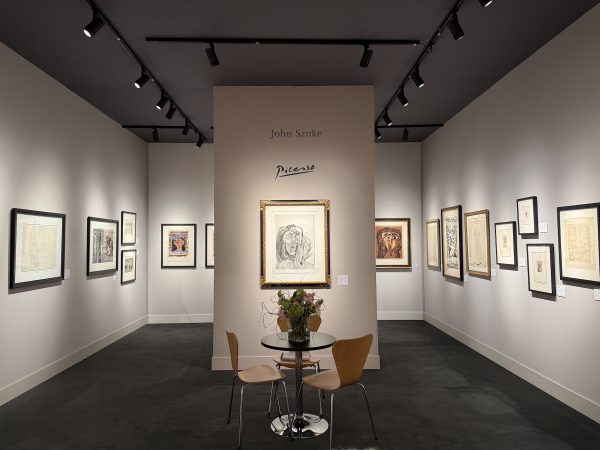
A highlight of your booth is Picasso’s “Suite Vollard.” Could you explain the significance of the Minotaur works within this series?
The Suite Vollard, created largely during the 1930s, is one of Picasso’s most important achievements in printmaking. Rather than forming a single continuous narrative, the series explores recurring themes including the artist and model, classical mythology, creativity, desire, and self-examination.
The Minotaur is one of the most powerful figures within the series. In Greek mythology, the Minotaur is half man and half bull, but for Picasso it became a deeply personal alter ego. The figure can appear strong, playful, vulnerable, or destructive. Through the Minotaur, Picasso was able to explore conflicting aspects of human nature and of his own identity.
In some images, the Minotaur is surrounded by celebration and desire; in others, he is wounded, blinded, or guided through darkness. This transformation gives the group an extraordinary emotional range.
We hope visitors will spend time looking closely at these works. Even without knowing every mythological reference, the emotions remain immediate and universal.
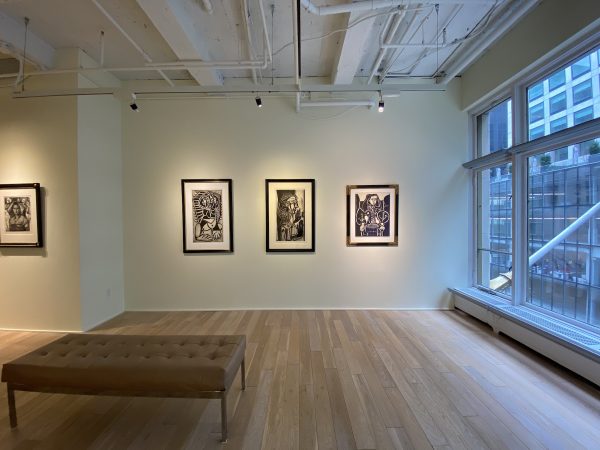
From his 1950s–60s linocuts to his later works, why do you believe Picasso remained so dedicated to evolving his printmaking techniques until the very end?
Picasso never treated printmaking as secondary to painting. For him, each technique offered a different visual language and a new problem to solve.
Throughout his career, he worked with etching, engraving, drypoint, aquatint, lithography, and linocut. He was constantly testing how far each medium could be pushed. His linocuts of the 1950s and 1960s are a particularly striking example. Picasso transformed a technique often associated with simple, bold images into something highly sophisticated, using layers of color, strong contrasts, and an inventive reduction process in which the same block was progressively cut and printed.
Even in his later years, he continued to work with tremendous energy. Printmaking allowed him to revisit subjects repeatedly, vary an image, reverse it, simplify it, or make it more expressive. The process suited his restless curiosity.
For visitors, these works demonstrate that Picasso was not simply repeating an established style. He remained experimental until the end, continually exploring for new ways to make an image.
Do you have a message for Japanese art fans and visitors attending Tokyo Gendai?
We are delighted to return to Tokyo Gendai and to share these works with audiences in Japan.
Japanese audiences understand perhaps more naturally than many others that a work on paper is not simply a secondary image or a reproduction. From the long history of woodblock printing to the careful appreciation of paper, printing, and subtle variations between impressions, there is a strong cultural connection to the qualities that make these works so compelling.
Picasso himself was constantly exploring the physical possibilities of printmaking—how a line is cut, how ink sits on the surface, how pressure changes an image, and how each technique creates a different emotional effect. We believe these qualities may resonate particularly strongly with visitors in Japan.
We warmly invite everyone to visit our booth and look closely at the works in person. The depth of the ink, the texture of the paper, and the differences between impressions cannot be fully experienced through a screen. We hope visitors will discover a new connection between Picasso’s experimental approach and Japan’s own extraordinary printmaking heritage.
Thank you very much! We look forward to seeing your work in September.
In every impression, a world unfolds. Discover the depth of printmaking.
Dates:
11-13 September 2026 (Fri-Sun) *Vernissage: 10 September (Thu)
Venue:
Pacifico Yokohama
Booth:
John Szoke Gallery
Ticket Purchase:
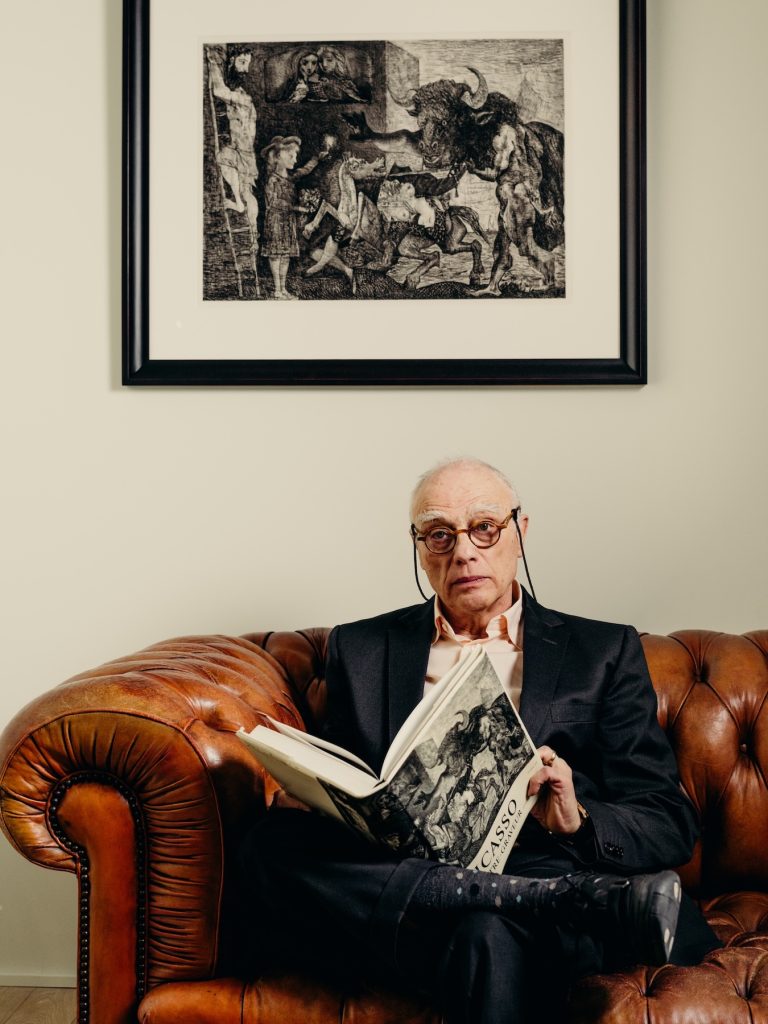
John Szoke Gallery
Since 1974, John Szoke Gallery has specialized in works on paper. The gallery began by publishing and representing contemporary artists before turning its focus to modern masters and, ultimately, to the works of Pablo Picasso and Edvard Munch—two groundbreaking artists who brought printmaking to new artistic heights.
With this highly specialized focus, the gallery is able to present not only editioned prints, but also the development of an image through different states, proofs, color variations, printers, and individual impressions. This approach allows each work to be understood within its artistic and historical context.
For more than fifty years, the gallery has worked closely with major museums, scholars, and private collectors worldwide. It has built an international reputation for its expertise in evaluation and cataloguing, its commitment to research and accessibility, and its exceptional collection of rare, high-quality works by Picasso and Munch.
John Szoke Gallery is a member of both the Art Dealers Association of America (ADAA) and the International Fine Print Dealers Association (IFPDA). Its collection welcomes established collectors, those beginning a collection, and anyone interested in art, printmaking, and history.