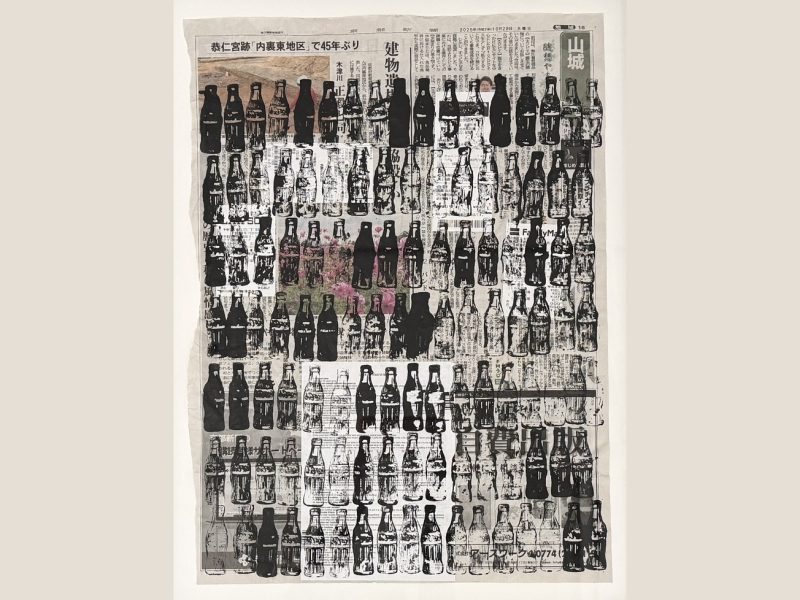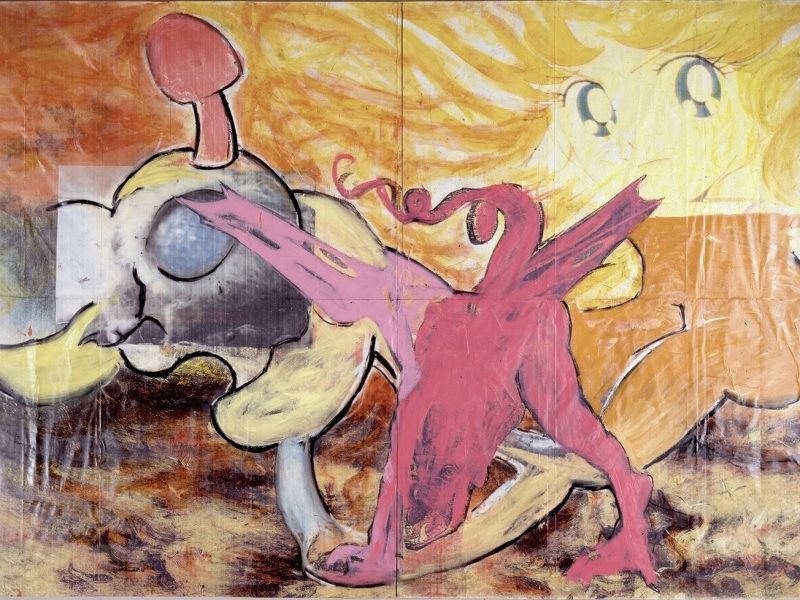

Excellent works endure beyond the judgments of their time. And one of the important roles of a gallery is to discover values that have yet to be widely recognized and to carry them forward to future generations.
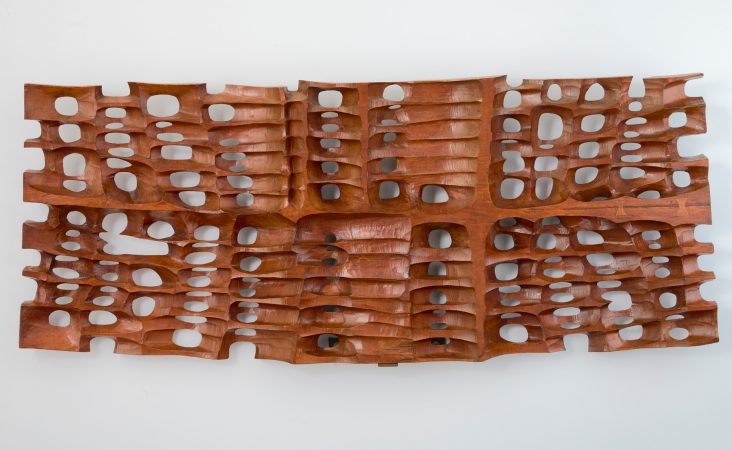
Since its establishment in 2008, Mizoe Art Gallery has remained deeply committed to Japanese art, introducing artists and works of lasting quality that transcend the trends and movements of their time. For this year’s Tokyo Gendai, the gallery presents the work of Tomonori Toyofuku, a sculptor who traveled from postwar Japan to Italy and forged his own distinctive path.
Spanning works from the 1960s through the 1990s, the presentation reveals the possibilities of form pursued by an artist who crossed borders both geographically and artistically. For those deeply familiar with Japanese art, as well as those looking to discover artists whose work deserves renewed attention, the exhibition offers an opportunity to encounter Tomonori Toyofuku from a fresh perspective.
How does Mizoe Art Gallery look at the value of artists and their work, and how does it seek to carry that value into the future? We spoke with the gallery’s gallerist about the perspectives and principles that have guided its practice over the years.
Since its establishment in 2008, Mizoe Art Gallery has been committed to introducing high-quality artists and works that are not swayed by trends or the changing times. Could you tell us more about the ideas that guide the gallery, and the perspective you bring when engaging with artists and their work, especially for those visiting your booth for the first time?
I believe that a work of art emerges from something within the artist, while its evaluation—whether it sells or not—comes afterward. For that reason, I rarely tell artists what they should or should not do, or how they should approach their work. In particular, I never tell them to make something in order to sell, nor do I approach their work from that perspective.
I want to support artists who devote their lives to creating what they truly wish to express, without being swayed by trends or the direction of the times. Rather than judging an artist based on one or two outcomes, I hope to be a gallery that walks alongside artists with a long-term perspective.
The same approach guides us when we work with artists who have passed away. We select artists and works from that same perspective. I believe a gallery should serve as an advocate for the artist—continuing, even after their passing, to communicate their work and artistic intentions to the world, as we are doing with Tomonori Toyofuku.
In recent years, as the art market has become increasingly international, artworks are often discussed as “assets.” At the same time, Mizoe Art Gallery has consistently valued qualities that are not dictated by trends. As a gallerist, what do you believe gives an artwork its value?
The value of an artwork is not the same as its price. Price fluctuates according to trends, the direction of the times, and supply and demand, whereas I believe the intrinsic value of an artwork is something more enduring.
Of course, that value can also differ from person to person. Just as every artist is different, the tastes and sensibilities of those who seek out their work are also diverse. There cannot be one universal value that is shared by everyone.
I believe value is created through a relationship: an artist creates something that resonates with someone; a gallery believes in that work and chooses to represent it; and someone recognizes its significance, acquires it, and helps preserve it for the future. It is through this connection between artist, gallery, and collector that value comes into being.
Mizoe Art Gallery has continued to introduce the rich lineage of Japanese art to audiences both in Japan and abroad, from masters of modern art to contemporary artists. At an international platform such as Tokyo Gendai, which brings together collectors and curators from around the world, how would you like to communicate the appeal of Japanese art?
The work of Japanese artists is of exceptionally high quality, and there are still many artists whose work remains relatively unknown and deserves greater international recognition. It is important for us to go out into the world and introduce these artists ourselves, but doing so requires considerable time, effort, and financial resources.
I hope Tokyo Gendai can become a place where more people from around the world come to Japan, discover the richness of Japanese art, and encounter the many outstanding artists working here.
At this year’s Tokyo Gendai, which artists or works would you particularly like visitors to discover? And what would you hope they take away from the presentation?
Mizoe Art Gallery’s booth this year is devoted entirely to the sculptor Tomonori Toyofuku, presenting works spanning the 1960s through the 1990s.
Toyofuku overcame the hardships of war before traveling to Italy, where he forged his own path as an artist. Through the strength of his sculptures, I hope we can convey something of how he lived as a Japanese artist and how he challenged himself on the international stage.
Tokyo Gendai brings together art enthusiasts and collectors from Japan and around the world. What hopes or messages would you like to share with those encountering Mizoe Art Gallery for the first time, as well as with the future of the Japanese art scene?
I also organize ART FAIR ASIA FUKUOKA in Fukuoka, and I believe art fairs play an important role in energizing Japan’s art scene and fostering a healthy art market.
I hope Tokyo Gendai will encourage people from around the world to look more closely at the Japanese art scene, leading to greater international recognition and, ultimately, greater vitality across Japan’s art world.
Thank you very much! We look forward to seeing your work in September.
Discover art you’ve never known before.
Experience the works of Tomonori Toyofuku, in person.
Dates:
11-13 September 2026 (Fri-Sun) *Vernissage: 10 September (Thu)
Venue:
Pacifico Yokohama
Booth:
MIZOE ART GALLERY
Ticket Purchase:
Mizoe Art Gallery
Established in Fukuoka in 2008, Mizoe Art Gallery opened its Tokyo location in Denenchofu in 2012. Since then, the gallery has served as a bridge between the art scenes of Kyushu and Tokyo, expanding its activities to introduce outstanding Japanese art to audiences around the world.
Its guiding philosophy is to “present exceptional artists and works of enduring quality, independent of trends and the changing times.” The gallery continues to seek art with a universal value—works capable of moving people even as the times change.
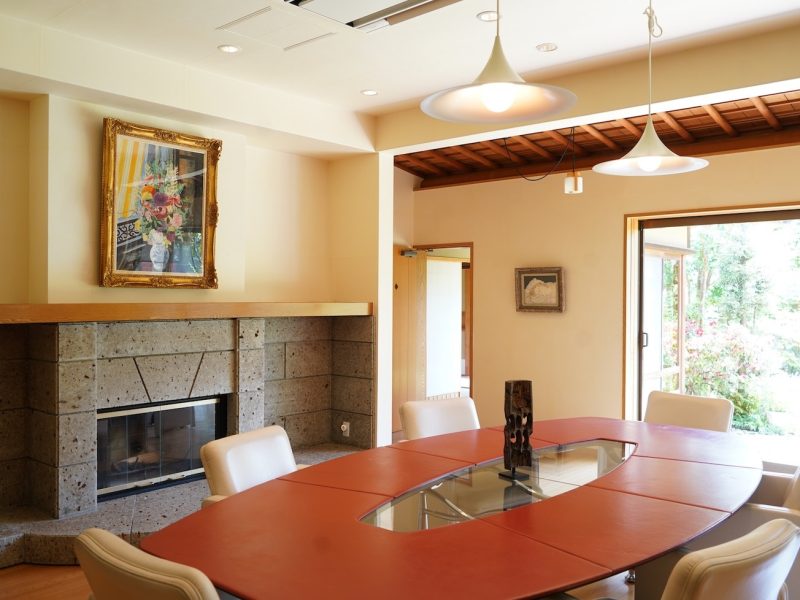
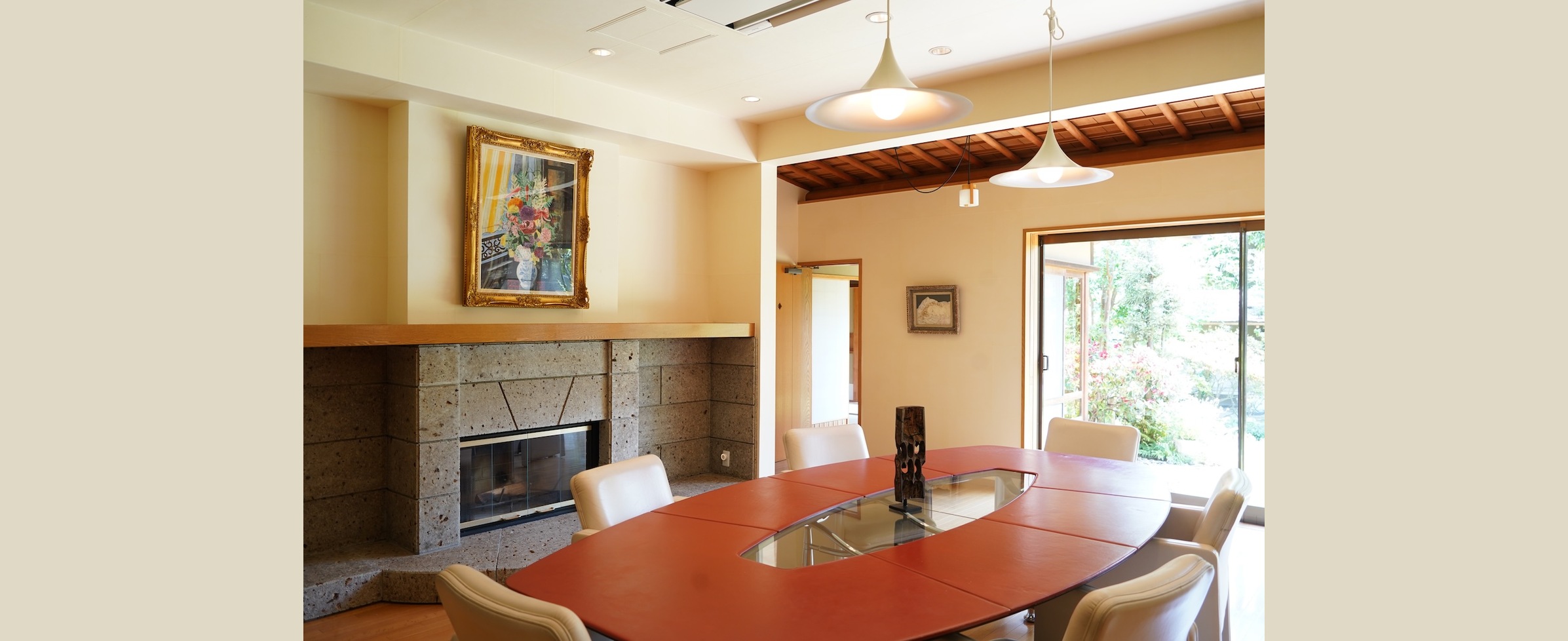
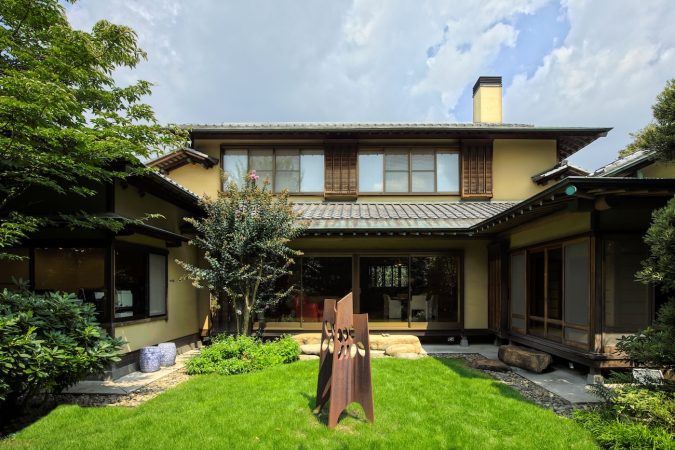
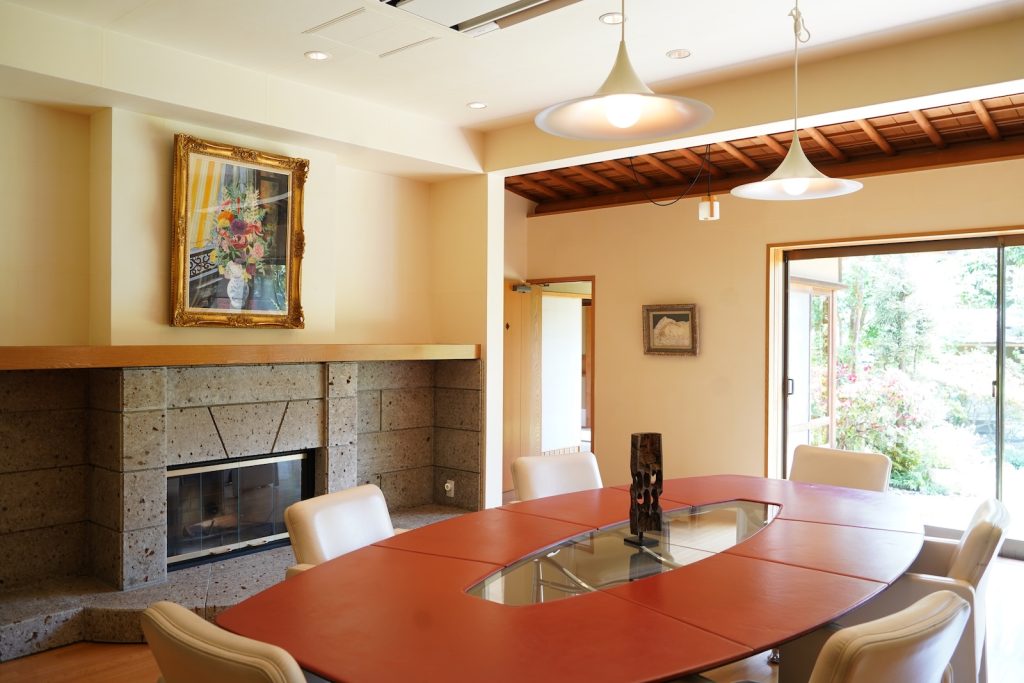
Mizoe Art Gallery also places great importance on the environment in which art is experienced. Both its Fukuoka and Tokyo locations are situated in quiet residential neighborhoods, occupying spacious private houses surrounded by lush gardens. At the Tokyo gallery, works are presented within a traditional Japanese-style residence, with each room thoughtfully paired with artworks. The setting offers visitors the rare opportunity to encounter art at a calm and unhurried pace, away from the bustle of the city.
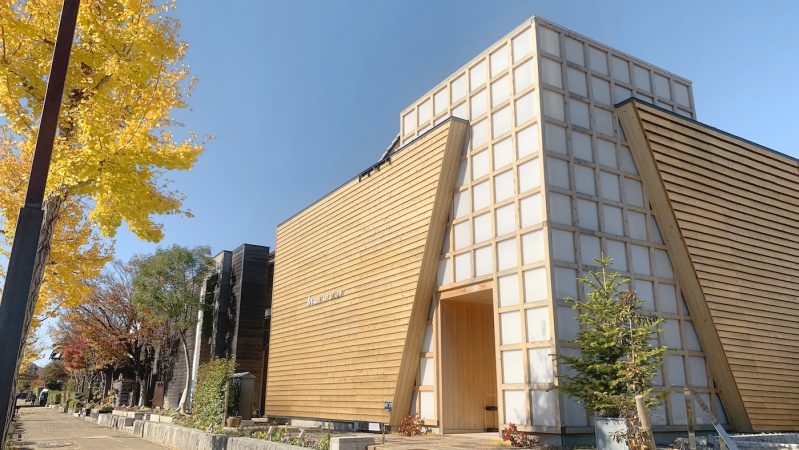
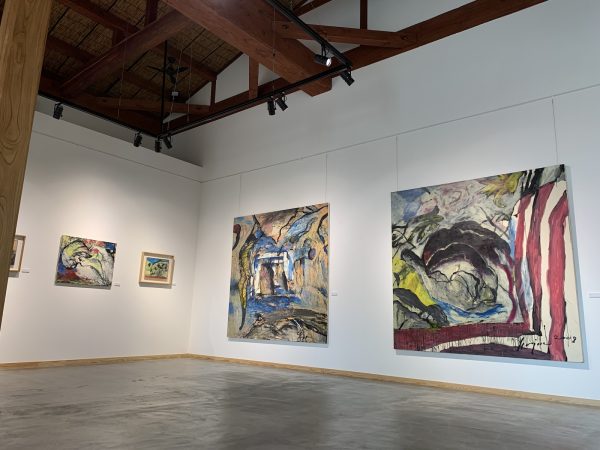
In Fukuoka, the gallery opened a new building adjacent to its original space in 2020, creating two distinct venues for special exhibitions and presentations from its collection. With a commitment to honoring outstanding artists from the region, Mizoe Gallery has also established the Tomonori Toyofuku Gallery in Fukuoka City and the Gyokushi Mizoe Art Gallery—Akira Nomiya Building in Iizuka, Fukuoka Prefecture, where works by the respective artists are permanently exhibited.