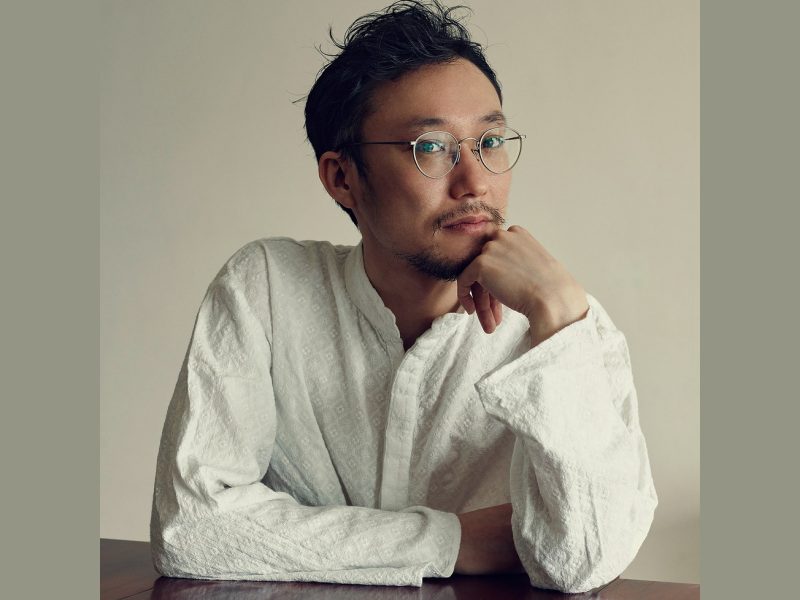

In the 1990s, long before the internet and artificial intelligence became embedded in everyday life, one artist drew international attention for works that sharply questioned the relationship between humanity and technology. Taro Chiezo made his New York debut in 1991, and the following year participated in the internationally touring exhibition Post Human. Since then, working across sculpture and painting, he has developed a distinctive visual language that intertwines popular culture, art history, technology, and contemporary reality. Now based in Berlin, his practice has received renewed international recognition in recent years, including the acquisition of one of his major works by The National Museum of Modern Art, Tokyo.
Tokyo Gendai offers a rare opportunity to experience the breadth of Chiezo’s artistic journey, from his early landmark works to his recent paintings. In this interview, we spoke with the artist about the origins of his practice and the artistic vision that continues to evolve after more than three decades of anticipating the questions of our time.
For readers encountering your work for the first time, could you tell us about your artistic practice?
I mainly create paintings and sculptures that inherit the methods of Pop Art while close over from abstraction to imagery.
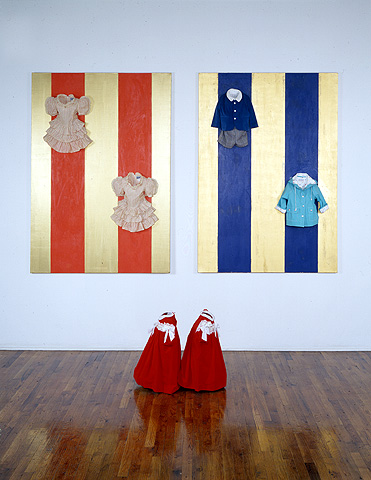
In the 1990s, you emerged as one of the leading figures of “Post-Human” and “Neo-Pop,” creating works such as your robotic sculptures made from children’s dresses that made a profound impact internationally. Looking back today, how do you see the “future image of humanity” that you explored through those works connecting to our contemporary society, where AI and digital technologies have become part of everyday life?
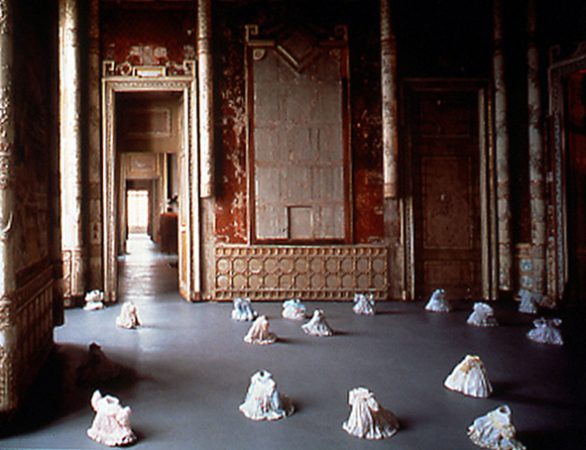
In 1991, I exhibited a robot made from children’s dresses and combine paintings using children’s clothing alongside works by Yves Klein and Joseph Beuys in The Invisible Body exhibition at Rempire Gallery in SoHo, New York. In 1992, I participated in the Post Human exhibition, which toured five museums across Switzerland, Italy, and Germany, together with artists including Mike Kelley, Felix Gonzalez-Torres, and Robert Gober. The exhibition also featured Cindy Sherman, Jeff Koons, and Damien Hirst. Among the many works presented, my robotic sculptures and Gonzalez-Torres’s dance platform attracted particular attention because they introduced actual moving bodies into the museum space. They were widely covered not only by art magazines but also by newspapers and television news programs around the world.
Today, my robot sculptures made from children’s dresses are held in museum collections in both Japan and the United States. At the time, they were discussed in two different contexts: within The Invisible Body, they were understood alongside Yves Klein’s “body of emptiness” and Beuys’s “body of trauma” as a critique of modernity; within Post Human, they addressed the body in the emerging information society and an increasingly diverse world at the dawn of the internet age. Now that AI and robotics have become realities in everyday life, these works are often viewed as carrying an even greater sense of prophetic relevance.
Your recent solo exhibitions—The Emergence of the Face: Before Becoming a Sign, Apparire, and Passion, among others—have focused on vivid paintings that evoke a surrealistic sensibility. When working on a painting, what moments bring you the greatest inspiration or sharpen your physical awareness?
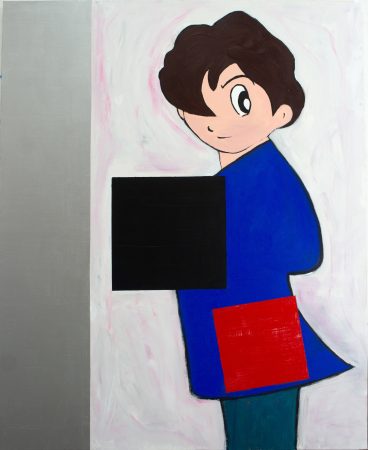
Manga and television were always present in my home when I was a child, and they became part of my everyday life. For me, painting is the act of transforming those familiar objects into paintings through the paint as material.
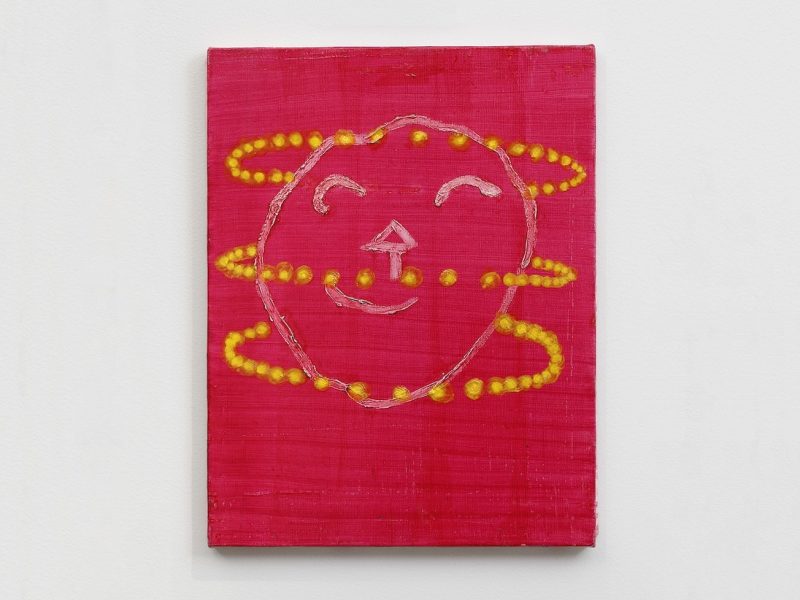
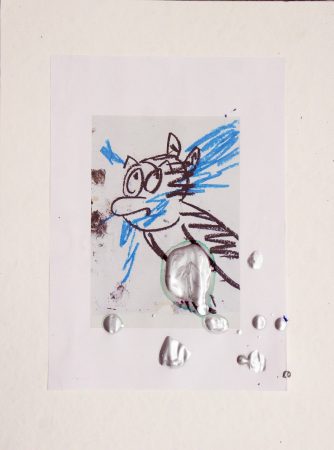
The Untitled (Kat Drawing) series, which was first shown in The Emergence of the Face: Before Becoming a Sign and is now being presented by Yoshiaki Inoue at Tokyo Gendai, is based on Krazy Kat, the newspaper comic that ran for nearly thirty years beginning in 1913. The comic inspired homages by numerous artists, including Franz Kline, and is said to have been eagerly awaited each week by Pablo Picasso and Willem de Kooning. The story centers on a mouse who throws bricks and a cat who is struck by them.
Gilles Deleuze once wrote that only through a state of impassivity—neither active nor passive, but existing with the wound itself—can war, as an event, truly be grasped. In 2014, I transformed the comic image of the cat being struck by a brick into a series of drawings, which later developed into ten large-scale paintings and two of them were exhibited by PARCEL at Tokyo Gendai in 2023.
After working in New York, you are now based in Berlin. How have life in a city layered with complex histories and cultures, as well as the acquisition of one of your major works by The National Museum of Modern Art, Tokyo in 2024, influenced your artistic motivation and the emotional “temperature” of your work today?
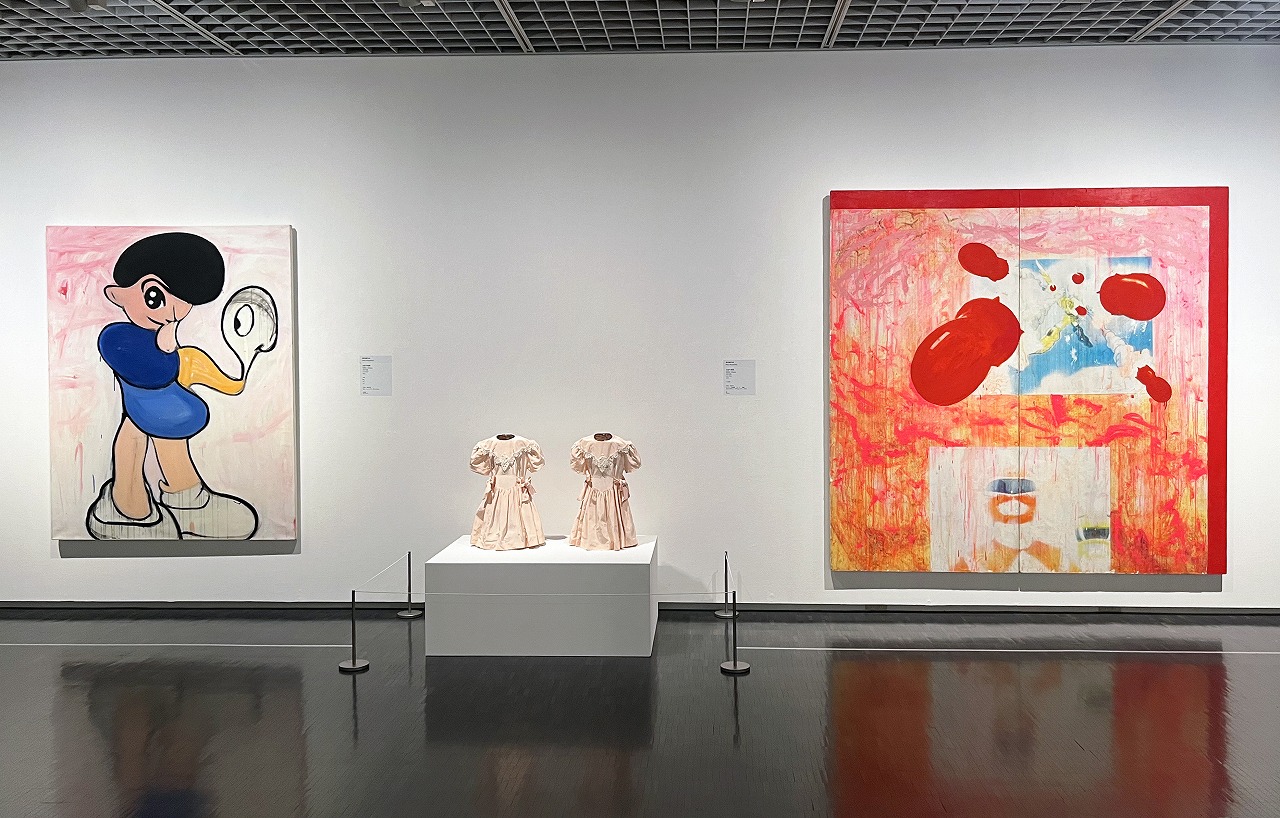
Painting records events in a way that differs fundamentally from photography. It is an old medium that can blur or conceal images, refusing to point directly to what they signify and therefore resisting functioning simply as a sign. My paintings place pressure on the painting while putting in Pop imagery of television and manga that belongs to the real world while allowing fragments of art history to emerge. By overlapping and disrupting image and abstraction, I attempt to illuminate them from the reverse side, extracting something eternal from the temporary.
From the late 1980s, I mainly made my robot sculptures in New York. Painting became the center of my practice in Tokyo in 1995, when I returned to care for my mother during her illness. It was during that time that the Tokyo subway sarin attack occurred. Later, I witnessed the September 11 terrorist attacks from a distance of only about 500 meters, after which I moved my studio from New York back to Japan. Following the Great East Japan Earthquake, I relocated my studio to Berlin.
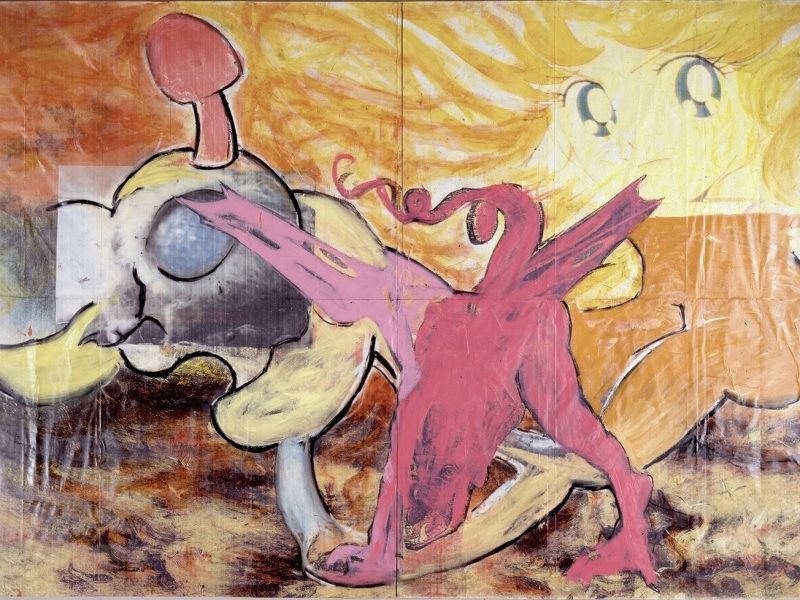
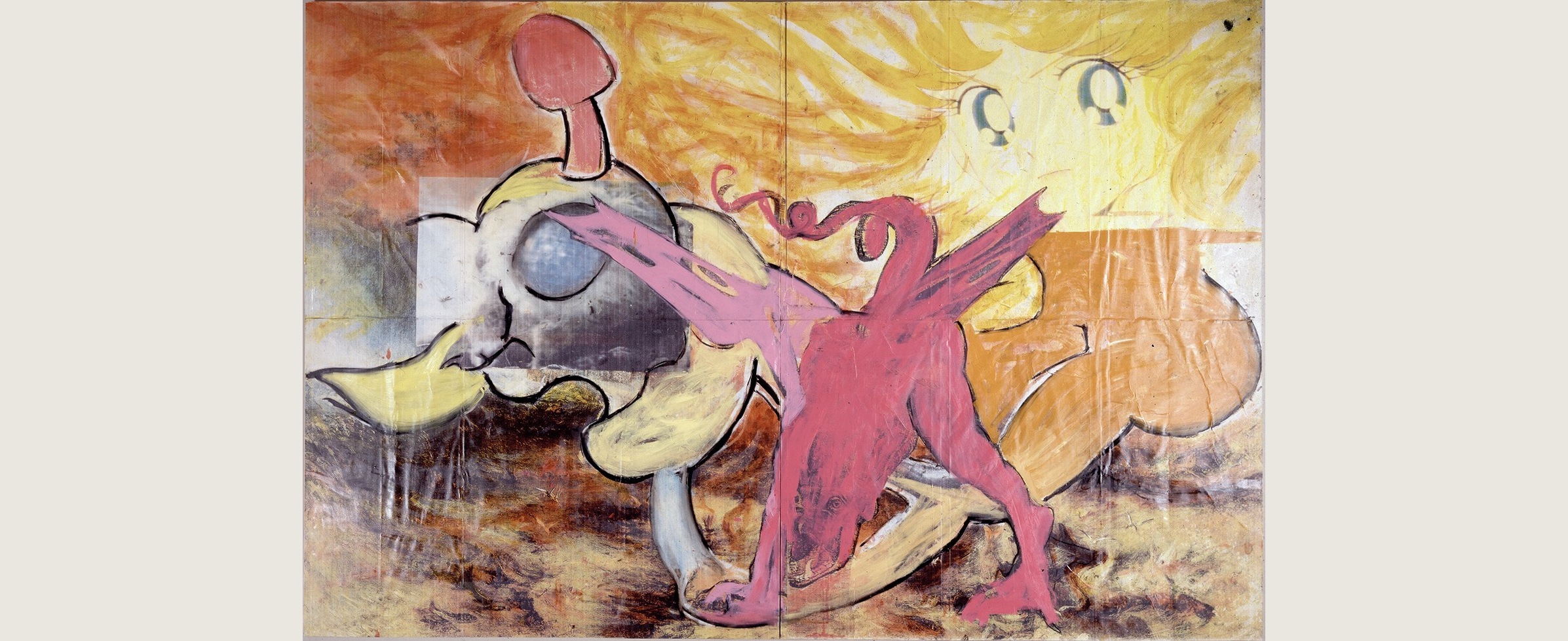
Painting both conceals and partially reveals traumatic events from the real world. In The First Pop Age, Hal Foster argues that Pop Art instinctively overlays photography, television, and painting in order to foreground the subjects of contemporary life while simultaneously invoking the traditions of art history. My painting War (Pink Is the Color of Blood) (1996), created in my Tribeca loft by montaging robots and television images of the Power Rangers onto a painting by Turner, was first exhibited in my solo exhibition at Sandra Gering Gallery in SoHo, New York, and later shown at museums in Virginia and Ohio. For that work to enter the collection of The National Museum of Modern Art, Tokyo in 2024 was deeply moving for me.
Tokyo Gendai is an international art fair where people and perspectives from around the world come together. What message would you like to share with audiences encountering your masterpieces and new works, and with the future of Japan’s art scene?
Please look at each work. And feel it.
Thank you very much! We look forward to seeing your work in September.
The Future Is Already There — Encounter Taro Chiezo’s Work at Tokyo Gendai.
Dates:
11-13 September 2026 (Fri-Sun) *Vernissage: 10 September (Thu)
Venue:
Pacifico Yokohama
Booth:
Yoshiaki Inoue Gallery
Ticket Purchase:
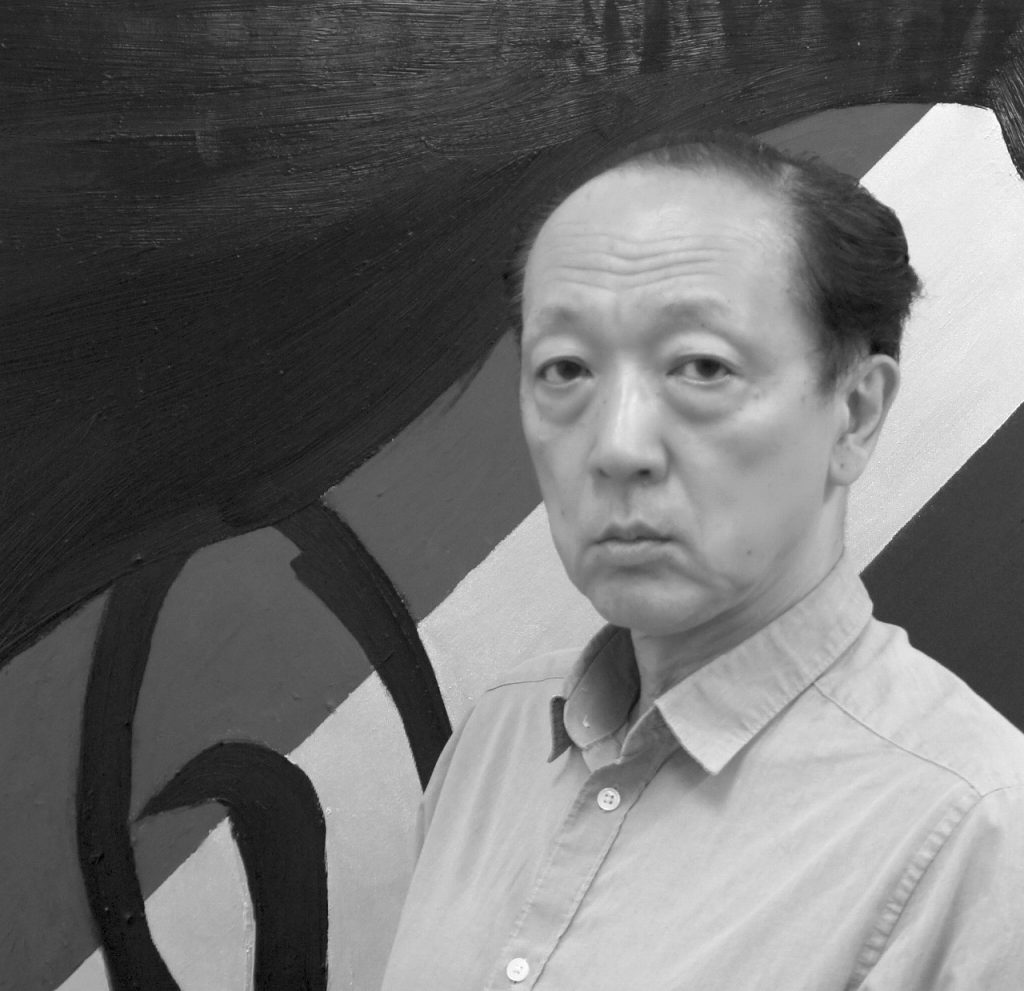
Taro Chiezo
Taro Chiezo made his debut in SoHo, New York, in 1991. In 1992, he participated in the landmark Post Human exhibition, which toured museums in Switzerland, Italy, Germany, and Athens. He later became one of the central figures of the Neo-Pop movement in Japan alongside Yoshitomo Nara and Takashi Murakami. His work has been featured in exhibitions at the Venice Biennale, the Brooklyn Museum, MoMA PS1, Tate Liverpool, The Power Plant (Toronto), Centro Cultural de Belém (Lisbon), The National Museum of Modern Art, Tokyo, the Museum of Contemporary Art Tokyo, and many other museums worldwide. He has held solo exhibitions in New York, Frankfurt, Tokyo, Osaka, and elsewhere. His works are included in the collections of The National Museum of Modern Art, Tokyo; The Tokushima Modern Art Museum; Contemporary Art Museum Kumamoto; Fuchu Art Museum; Oita Art Museum; the Takahashi Collection; and the Margulies Collection at the Warehouse (Florida), among others.