
Contemporary art is sometimes misconstrued as confusing, elitist, or overly conceptual. In this piece, Eri Takane, Fair Director of Tokyo Gendai, breaks down six of the most common misconceptions she encounters.
Misconception 1: Contemporary art is conceptual
With contemporary art, I believe every person can have a different interpretation. Even if you like a work of art, others might not feel the same way. It’s a genre where viewers can enjoy looking for artists and pieces that appeal to them.
The impression that it’s “too conceptual” probably comes from the fact that many works are abstract and hard to understand. But I don’t think it’s necessary to understand every artwork. It’s about finding work that resonates with you, and that’s how it becomes a special treasure.
It’s good to research if you want to learn about the work, but you don’t need to understand everything from the start. Sometimes it’s helpful to do some preparation, other times, it’s more enjoyable to go in with no expectations.
For me, the first time I was drawn to art was when I visited Deitch Projects, a gallery in New York run by Jeffrey Deitch. I was overwhelmingly moved. Rather than understanding it, the visuals and overwhelming energy left a strong impression – it was one of those moments where I thought, “This is it.”
Misconception 2: You have to be an expert on art history to appreciate it
You don’t need knowledge to enjoy a work of art. That said, it’s true that knowing a bit about the background or art history can make it more enjoyable.
Until my early twenties, I looked at art because I thought it was “interesting”. I didn’t think about the background or meaning at all. But because I lived in New York, I had many opportunities to encounter art without even realising it.
Misconception 3: You have to be rich to participate
This is not true. Of course you need money to buy a work of art, but there are many other ways to engage. Looking, learning, and enjoying art is open to anyone. Even as a student, but I still went to gallery openings and art fairs, and I gradually grew to love art. Enjoying and encountering art is an activity that is open to anyone.
Misconception 4: Galleries are intimidating
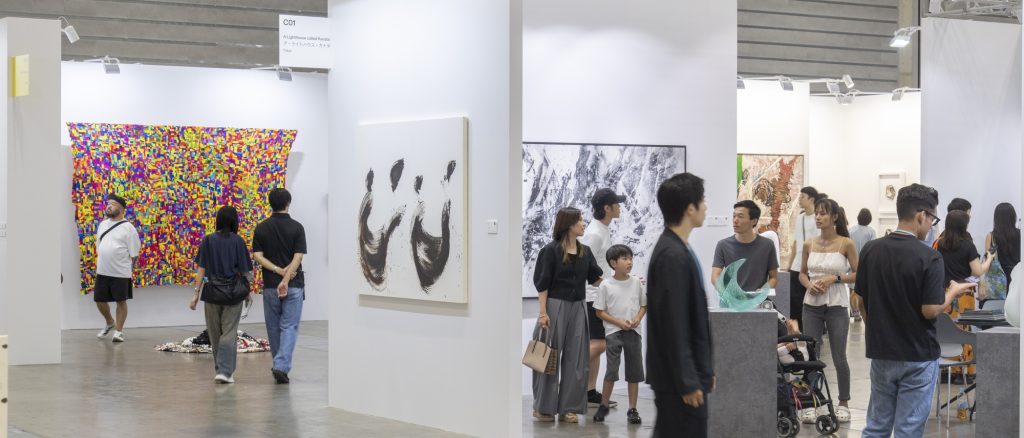
For those that feel that way, art fairs are a very approachable place to start. Even if you feel nervous, you can leave quickly, and if you don’t see anything that you resonate with, you can just look at another booth. When I was a student, I went to fairs not with the intention of buying, but simply to look. That kind of entry point is totally valid.
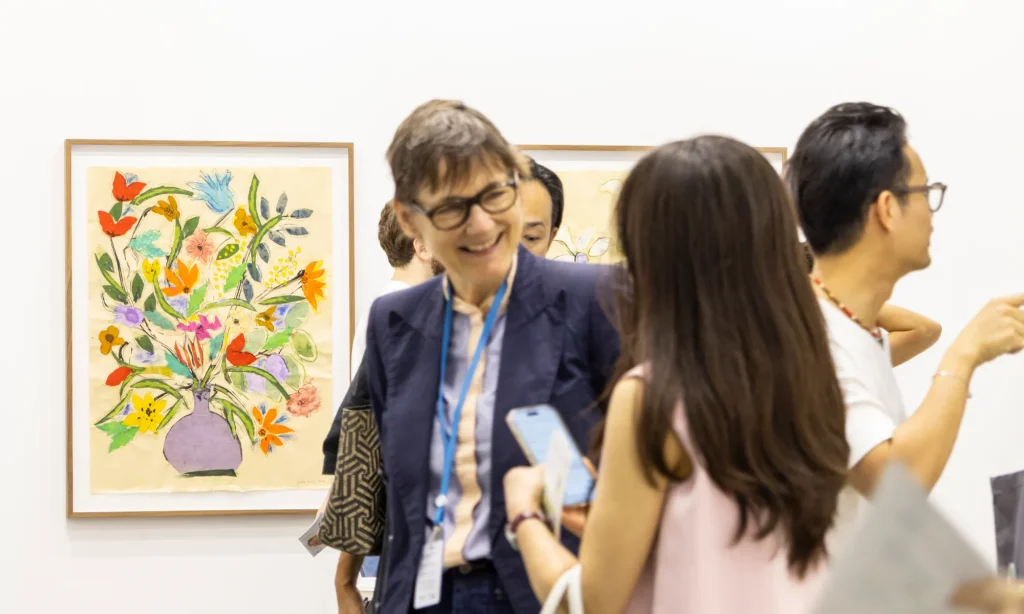
Misconception 5: Contemporary art isn’t beautiful
Whether something is beautiful or not depends on each person’s subjective sense of aesthetics. It also depends on the artist – many pursue visual beauty, while others deliberately don’t. Many of them maintain that they want viewers to interpret and receive the work in their own way.
Misconception 6: Contemporary art is difficult to understand
On the surface it may seem that way, but it’s necessarily the case. Once you listen to the artist speak, or learn about the background of the work, you might find that there’s something you can connect to from your own experience.
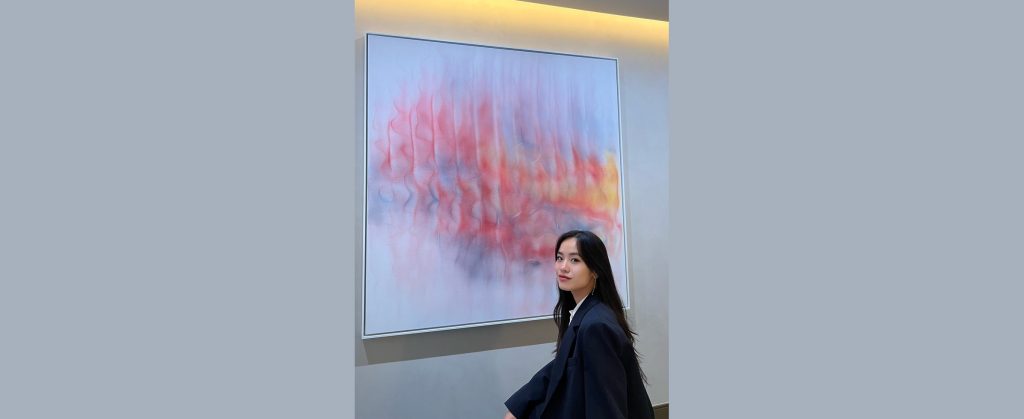
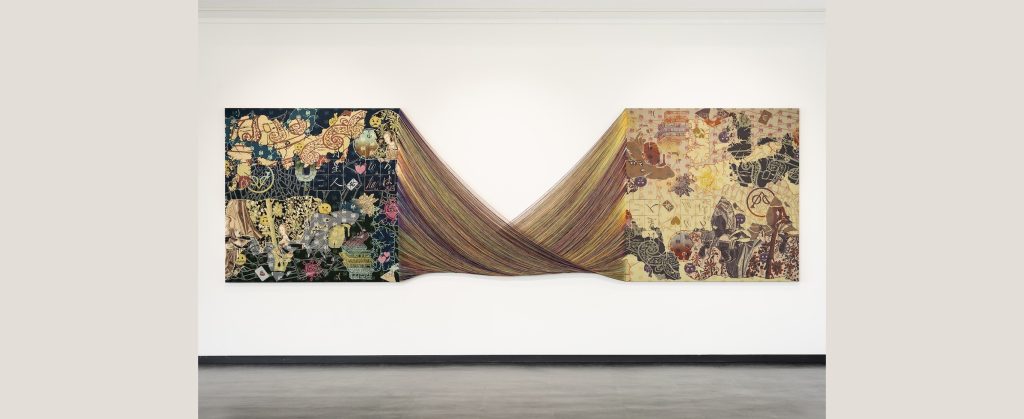
For example, Tomona Matsukawa interviews women of her generation and turns their stories into artworks. Works like that can easily overlap with our own experiences, and we can view them with a sense of empathy.
I think the joy of contemporary art is that there isn’t a correct way to enjoy it, and not understanding everything is part of the fun. However, depending on the person, they may feel that this sense of total freedom is too difficult to work with.
For those who feel that way, I recommend reading an introductory book on contemporary art. One book could change your perspective. These days there’s so much information, both in books and online. By finding a way that suits you, you might come to understand and enjoy it more deeply.
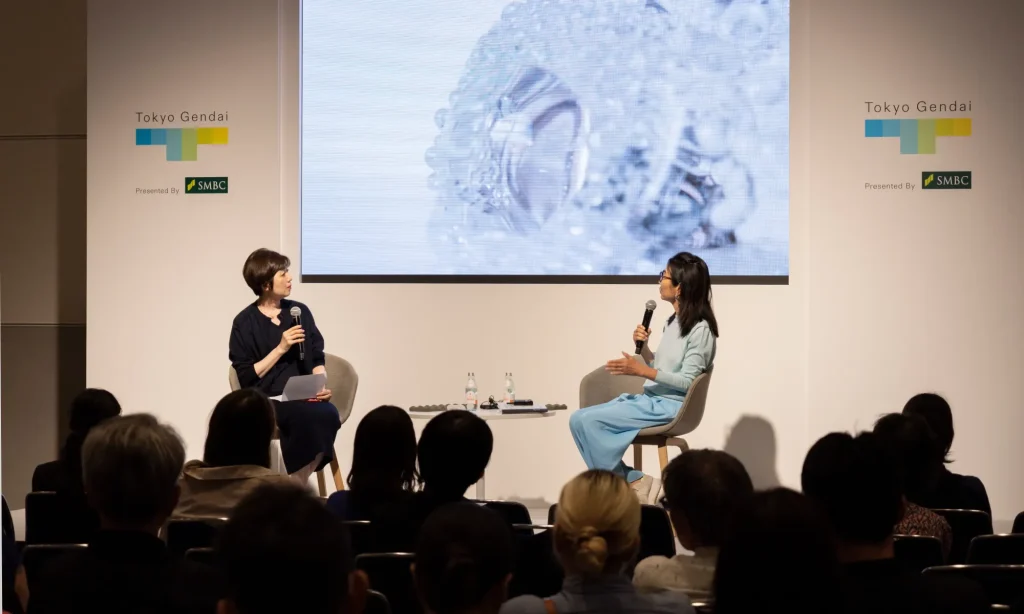
At Tokyo Gendai, we have a talk program called Art Talks, where a diverse group of people such as artists and museum curators lead the talk sessions. The talks are quite intimate in nature, so it’s a great way to be learn about the art world.